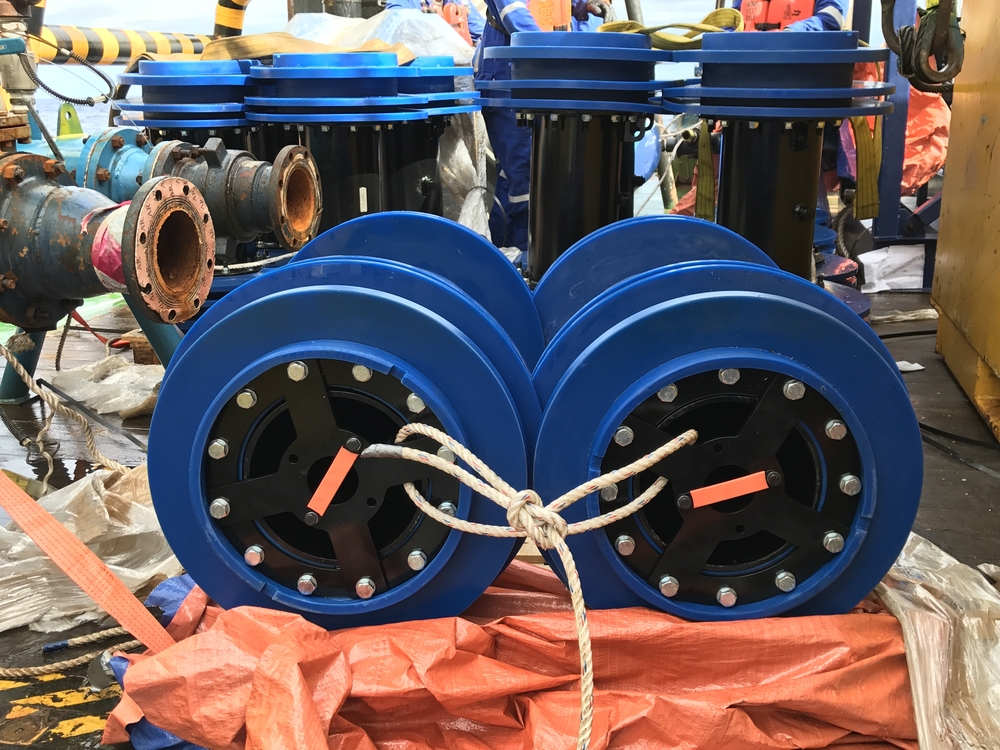
Clean, well-maintained pipelines are essential to any energy or utility operation. But as product flows through those lines, debris, liquids, and even corrosion can begin to build up. That’s where pipeline pigging steps in. With the right tools and schedule, pipeline cleaning pigs can transform your maintenance program from reactive to reliable.
Below, we explore the top seven benefits of using pigs for pipeline cleaning—and why more operators trust Inline Services to deliver the tools that keep their systems running at peak performance.
1. Removes Debris and Buildup
Let’s start with the most obvious benefit: pigs are excellent at cleaning. Over time, pipelines accumulate wax, scale, sludge, and other forms of residue that limit flow and add stress to your system. Left unchecked, these materials can become hardened obstructions.
Cleaning pigs work like pipeline scrubbers, safely dislodging and removing buildup without damaging the pipe walls. Whether you’re dealing with light debris or heavy accumulation, pigs clear the way for smoother operation.
2. Increases Flow Efficiency
When buildup is reduced, flow improves—it’s as simple as that. Debris adds resistance to flow, meaning pumps and compressors have to work harder to move the same volume of product.
By removing internal obstructions, pigging increases throughput and lowers the energy required to transport material. That translates directly into cost savings and less wear on your equipment.
3. Prevents Corrosion
Corrosion isn’t just a threat—it’s one of the leading causes of pipeline failure. Moisture, sediment, and contaminants that settle inside a pipeline can break down protective coatings and begin attacking the steel beneath.
By regularly removing these corrosive agents, cleaning pigs help prevent rust and pitting from forming in the first place. It’s a simple step with massive long-term benefits.
4. Detects Internal Defects
Smart pigs take the cleaning concept a step further. In addition to removing debris, they’re equipped with tools that inspect pipeline walls for signs of damage. These may include cracks, dents, weld anomalies, or thinning areas of pipe.
Detection is the first step in prevention. By identifying issues early, operators can address them before they become serious failures.
5. Reduces Unplanned Downtime
Emergency repairs don’t just hurt your bottom line—they can tarnish your company’s reputation and cause major operational delays.
Pigging reduces these risks by keeping the system healthy, clean, and free of unseen hazards. A well-maintained pipeline is a reliable pipeline. And reliability means fewer interruptions and greater predictability across the board.
6. Supports Regulatory Compliance
Regulators expect operators to have a proactive maintenance plan. In many regions, routine inspections and cleanings aren’t just recommended—they’re required.
Pigging programs demonstrate a commitment to safety and compliance. When done right, they give you detailed documentation and data that inspectors want to see. Staying on top of your maintenance schedule helps you stay ahead of costly fines and shutdown orders.
7. Extends Pipeline Lifespan
Your pipeline is an asset—one that deserves protection. Just as you wouldn’t skip oil changes for a vehicle, you shouldn’t skip pigging intervals for your pipeline.
Routine pigging slows wear and tear, reduces internal corrosion, and minimizes stress on every component of the system. That means fewer replacements, longer use cycles, and a stronger return on your infrastructure investment.
Bonus: One Tool, Multiple Benefits
With today’s advanced pigging tools, operators don’t have to choose between cleaning and inspection. Many pigs are built for dual roles, combining cleaning blades or discs with sensors, transmitters, or data recorders.
That versatility makes pigs one of the most cost-effective tools in your maintenance arsenal—and when paired with a well-planned program, they offer exceptional ROI.
Why Work With Inline Services?
At Inline Services, we specialize in providing pipeline pigging solutions that are designed to meet your system’s exact needs. Whether you need simple foam pigs for occasional cleaning or advanced speed control pigs for high-velocity natural gas lines, we have the products and technical expertise to help you build a smarter pigging strategy.
Our inventory includes a wide range of cleaning and utility pigs designed to keep your system clean, compliant, and cost-effective.
Conclusion: Schedule Pigging Before You Need It
Waiting for problems to appear before cleaning your pipeline is like waiting for a tire to go flat before checking the pressure. Don’t fall into reactive maintenance traps. A scheduled pigging program is your best defense against flow issues, corrosion, compliance gaps, and costly repairs.
Let Inline Services help you develop a routine pigging plan that keeps your operation on track and your budget under control. Clean lines are productive lines—and we’re here to make sure yours stay that way.