
High velocity pipeline pigging is a powerful and efficient cleaning method used in the oil and gas industry. It involves using specialized equipment to clean pipelines at high flow rates, removing debris, wax buildup, and other contaminants that can hinder the efficiency of pipelines. Because pipeline debris removal is central to this process, it’s also referred to as high flow rate pipeline cleaning or high velocity pipeline cleaning.
Inline Services, based in Tomball, TX, is a leading provider of pipeline products and services. Our company offers high velocity pipeline pigging as one of its flagship services to help oil and gas companies maintain optimal pipeline performance.
What is High Velocity Pipeline Pigging?
High velocity pipeline pigging is the process of cleaning pipelines using specialized tools called pigs that are propelled through the pipe at high speeds. These pigs are designed to scrape away any build-up or debris on the inner walls of the pipeline, effectively cleaning and maintaining its integrity.
The high velocity method is preferred for pipelines with a large diameter and those that transport viscous fluids such as crude oil or natural gas liquids, and pipeline brush pigs are often selected for these larger-diameter runs. This process is also suitable for long-distance pipelines that require frequent cleaning to maintain their flow efficiency.


How does High Velocity Pipeline Pigging work?
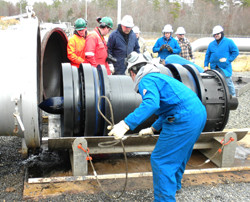
The high velocity pipeline pigging process involves inserting a specially designed pig into the pipeline through an opening, such as a valve or fitting. The pig is then propelled forward by the fluid flow within the pipeline, effectively scraping away any debris or buildup on its journey.
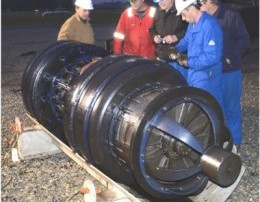
At Inline Services, we use different types of pigs depending on the specific needs of our clients. These include pipeline brush pigs, foam pigs, and solid cast pigs, each designed for different pipeline conditions and cleaning requirements.
Benefits of High Velocity Pipeline Pigging
High velocity pipeline pigging offers several benefits that make it a preferred method for pipeline maintenance.
- Increased Efficiency: Consistent pipeline debris removal improves the overall flow rate and efficiency of the pipeline, reducing operating costs and increasing production.
- Prevents Corrosion: Debris build-up in pipelines can lead to corrosion, which can significantly impact the integrity of the pipeline. High velocity pigging effectively removes these contaminants, preventing corrosive substances from forming.
- Cost Savings: Regular high velocity pipeline pigging reduces the need for expensive maintenance or repairs, saving companies significant costs in the long run.
Applications of High Velocity Pipeline Pigging
High velocity pipeline pigging is a versatile method that can be used in various applications, including:
- Crude Oil and Gas Pipelines: As mentioned earlier, high velocity pigging is suitable for pipelines transporting viscous fluids such as crude oil or natural gas liquids. Regular pigging helps maintain optimal flow rates and reduces the risk of blockages.
- Refineries and Petrochemical Plants: Refineries and petrochemical plants rely on pipelines to transport various products, making them susceptible to build up or contamination. High velocity pipeline pigging is an effective way to keep these pipelines clean and functioning at their best.
- Water Transmission Pipelines: High velocity pigging is also used in water transmission pipelines, often with pipeline brush pigs, to remove mineral deposits and sediment buildup, a form of pipeline debris removal that ensures a steady flow of clean water.
Frequently Asked Questions
What Is High Velocity Pipeline Pigging and How Does It Work?
High velocity pipeline pigging cleans pipelines at high flow rates using pigs propelled through the pipe at high speeds. The pig is inserted through an opening such as a valve or fitting, then driven by fluid flow as it scrapes away debris and buildup.
What Are Other Names for High Velocity Pipeline Pigging?
It is also called high flow rate pipeline cleaning or high velocity pipeline cleaning. All three terms describe the same process of pipeline debris removal, which is central to the method.
Which Pipelines Are Best Suited for High Velocity Pigging?
The method is preferred for large-diameter pipelines and those carrying viscous fluids such as crude oil or natural gas liquids. It also suits long-distance pipelines that need frequent cleaning to maintain flow efficiency.
What Types of Pigs Are Used for High Velocity Pipeline Cleaning?
Inline Services uses different pigs based on client needs, including pipeline brush pigs, foam pigs, and solid cast pigs. Brush pigs are often selected for larger-diameter runs. Each type suits different pipeline conditions and cleaning needs.
What Are the Benefits of High Velocity Pipeline Pigging?
Consistent debris removal improves flow rate and efficiency, which lowers operating costs and raises production. It also prevents corrosion by removing contaminants and cuts long-term costs by reducing the need for expensive maintenance or repairs.
Contact Us
Inline Services is proud to offer high velocity pipeline pigging services to our clients in the oil and gas industry. With over 30 years of experience, we have the expertise and equipment to handle even the most challenging high velocity pipeline cleaning projects. Contact us today for more information on how we can help maintain your pipelines’ optimal performance. We look forward to working with you!
