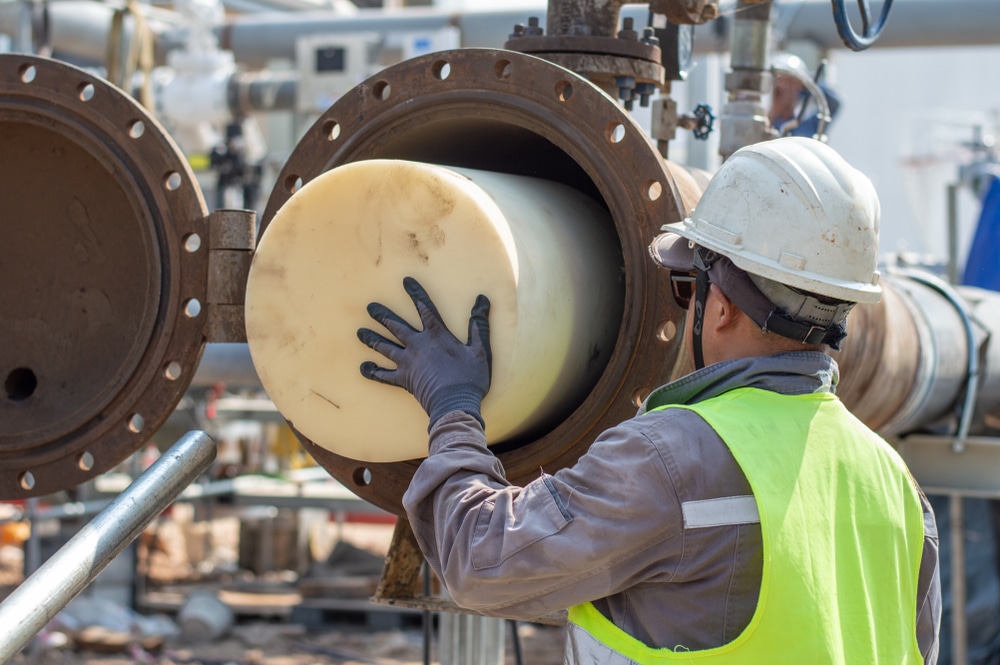
Regular pigging is one of the most effective ways to extend a pipeline’s life, because it removes the corrosion, debris, and buildup that quietly destroys pipelines from the inside. So what is pigging? It’s the process of sending a cylindrical device, a “pig”, through a pipeline to clean or inspect it. Done regularly, pigging a pipeline prevents leaks, keeps flow rates high, and helps operators meet safety regulations. At Inline Services in Tomball, TX, we provide a complete pipeline pigging service built to keep your lines running safely for decades.
Pipelines are among the most efficient and cost-effective ways to transport oil, gas, and other liquid products over long distances, and they are essential components of modern infrastructure. Without regular maintenance, though, they become susceptible to corrosion, blockages, and other problems that compromise their safety and functionality. That’s where pigging a pipeline comes in. At Inline Services, we understand the importance of regular pigging to extend pipeline life, particularly in Tomball, TX, and other areas with extensive pipeline networks.
What Is Pigging, and How Does It Work?
Pigging refers to the process of cleaning or inspecting pipelines using a cylindrical device known as a “pig.” These pigs are inserted into the pipeline and pushed along by the flow of product, removing debris, sediment, and other buildup that accumulates over time. So what is pigging in practice? It’s the simplest way to clean a line without shutting it down, pigging a pipeline lets the pig do the work while the product keeps flowing.
In addition to cleaning, pigs can also inspect the internal condition of pipelines. By attaching sensors and cameras to the pig and sending it through the line, operators collect data on potential issues or damage. This information can then be used to plan for maintenance and repairs before small problems become failures.
Why Is Regularly Pigging a Pipeline So Important?
Regular pigging is crucial for extending a pipeline’s lifespan and maintaining its integrity. Here are the key reasons why regular pigging is essential, and why a professional pipeline pigging service matters:
How Does Pigging Prevent Corrosion?
Corrosion is one of the biggest threats to pipeline safety and can lead to leaks, ruptures, and other catastrophic failures. Pigging a pipeline removes corrosive agents such as water, oxygen, and bacteria that accumulate inside the line, preventing corrosion and extending the pipeline’s life. How often you should pig a line depends on the type of product being transported and the environmental conditions.
How Does Pigging Improve Efficiency?
Buildup of debris, sediment, and other materials can cause friction within the pipeline, leading to reduced flow rates and increased energy consumption. Pigging a pipeline removes these obstructions and keeps it running at peak efficiency, reducing operating costs in the long run.
How Does Pigging Identify Potential Problems?
Pigging with inspection tools allows for the detection of potential issues such as dents, cracks, or other damage within the line. This early identification can help prevent costly repairs and unplanned downtime, ensuring uninterrupted operation and safety.
How Does Pigging Help Meet Regulatory Requirements?
Pipeline operators have a responsibility to comply with strict regulatory standards to ensure the safety and reliability of their pipelines. Regularly pigging a pipeline is often a mandatory requirement, and failure to comply can result in penalties, fines, and even shutdowns. A documented pipeline pigging service record is essential to meet these requirements and maintain compliance.
What Does Inline Services’ Pipeline Pigging Service Include?
Inline Services in Tomball, TX, is a leading provider of pipeline pigging and inspection solutions. With over 30 years of experience pigging a pipeline in every condition, we offer a wide range of products and expertise to help operators maintain the integrity and efficiency of their pipelines.
These include:
- High-performance cleaning pigs for removing debris and buildup
- Inspection tools such as ultrasonic, magnetic flux leakage, and electromagnetic pigs to detect potential issues
- Pipeline mapping and data analysis services to provide a comprehensive understanding of your pipeline’s condition
At Inline Services, we understand how much careful, regular pigging a pipeline can add to its working life. Our team of experts works closely with operators to develop customized pigging programs tailored to their specific needs and regulatory requirements, and we provide training and support services to ensure the safe and effective use of our products.
Why Trust the Experts for Pigging a Pipeline?
Pigging is a critical aspect of pipeline maintenance, and it requires specialized knowledge and equipment to be done effectively. Knowing what is pigging is one thing; doing it safely and effectively is another, that’s why it’s essential to trust experienced professionals like Inline Services for your pigging needs.
By investing in a regular pipeline pigging service, you can ensure the longevity, efficiency, and safety of your pipelines. Don’t wait for a disaster to strike; contact Inline Services today to schedule a pigging program and protect your pipeline investments for years to come. Regularly pigging a pipeline is an investment that pays off in the long run by extending the life of your pipelines and avoiding costly repairs and downtime. As they say, an ounce of prevention is worth a pound of cure.