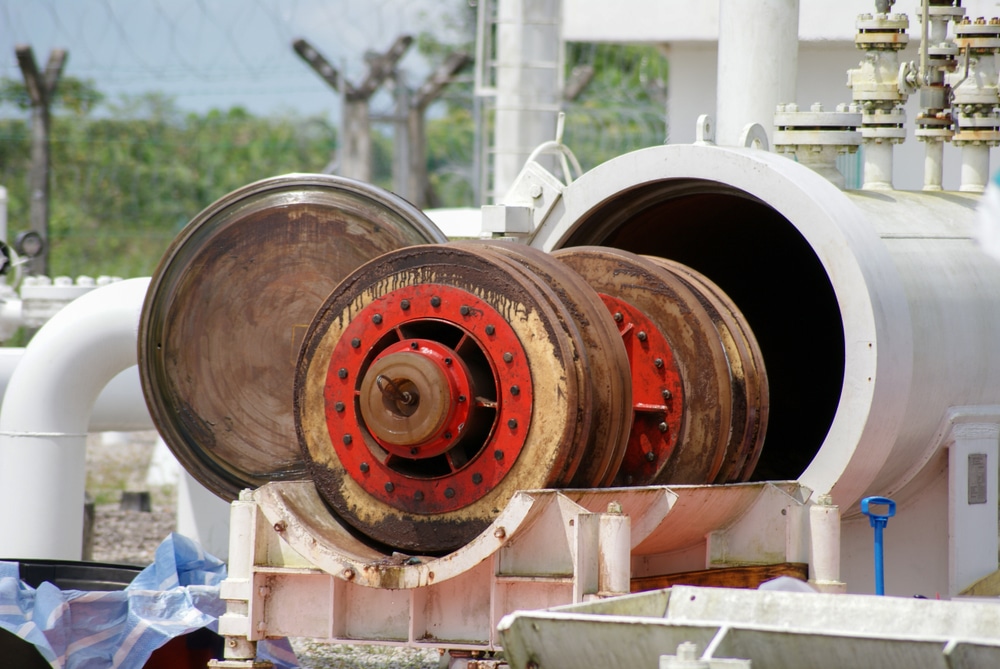
Pipeline maintenance keeps the oil and gas industry running safely, and pipeline pigs are the tools that make it possible. So what is a pipeline pig? It is a device sent through a pipeline to clean, inspect, gauge, or track the line, without shutting down product flow. The five main types of pipeline pigs are utility pigs, cleaning pigs, inspection pigs, gauging pigs, and tracking pigs, each built for a specific job. At Inline Services in Tomball, Texas, we manufacture and supply every one of these tools, so operators can match the right pig to the right task and keep their pipelines in tip-top condition.
In this blog, we’ll explore the different types of pipeline pigs in detail and show how Inline Services uses them to protect the efficiency, safety, and longevity of your pipelines.
What Is Pipeline Maintenance and What Role Do Pigs Play?
Pipelines are the lifelines of energy transport, carrying natural resources over long distances. Like any transit system, they require regular upkeep to function effectively. This is where pipeline pigs come in. If you’re still wondering what is a pipeline pig, it’s simply a maintenance tool sent through the line to perform tasks ranging from cleaning and inspection to repair, then removed once the job is done. The various types of pipeline pigs each handle a different part of that upkeep, which is why operators rarely rely on just one.
Why Choose Inline Services in Tomball, TX for Your Pipeline Pigs?
Inline Services provides top-notch pipeline pigging products and services. Positioned strategically in Tomball, TX, we design and supply the full range of types of pipeline pigs, from foam and cleaning pigs to inspection and gauging tools, to meet the diverse maintenance needs of clients across the oil and gas industry. Whether you run a single line or a sprawling network, our team helps you select and customize the right pig for the job.
What Are the Main Types of Pipeline Pigs and Their Functions?
Before choosing a pig, it helps to answer one basic question: what is a pipeline pig meant to do in your specific line? Each of the five main pig types below is built around a different answer, cleaning, drying, inspecting, gauging, or tracking.
What Are Utility Pigs?
Utility pigs are the all-rounders among the types of pipeline pigs, commonly used for routine maintenance tasks such as cleaning and drying pipelines to prevent corrosion and maintain flow efficiency. These pigs can be foam-based, mandrel pigs with brushes, or gel pigs, depending on the job’s requirements.
What Are Cleaning Pigs?
Cleaning pigs go one step further, they are designed to remove unwanted debris and build-up inside the pipe. With specialized features such as scraping brushes or blades, cleaning pigs dislodge and expel accumulated materials to keep the pipeline’s interior clear. Of all the types of pipeline pigs, cleaning pigs are among the most frequently deployed, because regular debris removal directly protects flow rates and helps prevent costly blockages and corrosion under deposits.
What Are Inspection Pigs?
Also known as “smart pigs,” inspection pigs are the most sophisticated of all the types of pipeline pigs, used to detect irregularities or potential issues within the pipeline’s structure. They use methods like magnetic flux leakage (MFL) or ultrasonic testing (UT) to create detailed reports on the pipeline’s condition, identifying areas that may require attention before they turn into failures.
What Are Gauging Pigs?
The integrity of a pipeline is also determined by its shape and internal dimensions over time. Gauging pigs run through the line with a plate sized to the pipeline’s diameter, confirming the internal bore has not deformed or suffered intrusion and flagging any anomalies. They are often run before cleaning pigs or inspection tools to verify a line is clear and round enough to pass safely. Among the types of pipeline pigs, gauging pigs are some of the cheapest insurance against a stuck or damaged tool downstream.
What Are Tracking Pigs?
As pigs move throughout the pipeline system, it’s essential to know their location. Tracking pigs are equipped with signal transmitters, helping operators monitor the pig’s journey. Accurate tracking is vital to ensure that pigs are not lost or stuck within the system, which could potentially cause damage.
How Does Pigging Improve Pipeline Maintenance?
Each of the types of pipeline pigs serves a specific function in the maintenance regime. Using pigs can dramatically increase the efficiency of the maintenance process, reduce downtime, and prevent potential environmental hazards. They offer a non-intrusive way to clean and inspect pipelines without stopping the flow of products, a significant advantage over traditional cleaning and maintenance methods. Running cleaning pigs on a regular schedule, for example, removes build-up before it restricts flow, while inspection pigs catch structural problems early. Understanding what is a pipeline pig, and which type your line actually needs, turns routine pigging into a genuine cost saver.
Which Types of Pipeline Pigs Does Inline Services Provide?
We’ve journeyed through the world of pipeline pigs, uncovering the crucial roles they play in keeping the arteries of our energy infrastructure clean, safe, and efficient. Inline Services in Tomball, TX provides all the major pig types and the expertise to match, enabling consistent care and maintenance of your pipelines.
By understanding the different types of pipeline pigs and their applications, you can appreciate both the complexity of pipeline maintenance and the innovative solutions Inline Services brings to the table. Whether you need a utility, cleaning, inspection, gauging, or tracking pig, we help keep your pipelines healthy and your valuable resources safeguarded for years to come.
Contact Us
If you’re looking for top-of-the-line pigging products and services, contact Inline Services today! Our team of experts can help you select the right types of pipeline pigs for your operation and assist with all your pipeline maintenance needs. Ensure the longevity and efficiency of your pipelines with our reliable solutions. Don’t wait until it’s too late, let us help keep your pipelines running smoothly!