
Maintaining a routine pipeline pigging program will keep a pipeline in good condition, sustain optimal flow, reduce potential damage to the processing facility and avoid eventual failures.
Developing A Pipeline Pigging Program Through Data Analysis
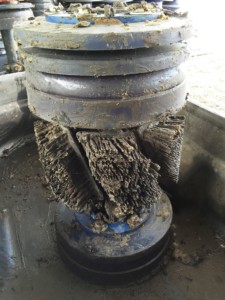
By performing a Pipeline Integrity Assessment, Inline Services can gather intelligence about the internal condition of the pipeline to determine the most efficient maintenance programs for the application. Using our proprietary technology, the assessment process will collect information such as:
- Temperature
- Pressure Differential over a pig
- Pig Speed
- Pig Location and location of intrusions and debris
- Inertia of pig
- Location and depth of damage, wall thickness variation etc
The data collected will determine the type of pipeline pig or pigs needed, the order and frequency the pipeline pigs should be run through the pipeline and if chemical cleaning is needed in conjunction with the pigging program to keep the pipe in good condition. By analyzing the condition of the pigs and maintaining a complete record of runs, an informed approach can be taken to specifying
future programs.
Frequently Asked Questions
What Does a Routine Pipeline Pigging Program Do for a Pipeline?
A routine pigging program keeps a pipeline in good condition and sustains optimal flow. It also reduces potential damage to the processing facility and helps avoid eventual pipeline failures.
What Is a Pipeline Integrity Assessment in Pigging Maintenance?
A Pipeline Integrity Assessment gathers information about the internal condition of the pipeline. Inline Services uses proprietary technology to collect this data, which is then used to determine the most efficient maintenance program for the application.
What Data Is Collected During a Pipeline Integrity Assessment?
The assessment collects temperature, pressure differential over a pig, pig speed, and pig location. It also records the location of intrusions and debris, pig inertia, and the location and depth of damage such as wall thickness variation.
How Is Pig Type and Run Frequency Decided for a Pipeline?
The assessment data determines which pig or pigs are needed, the order and frequency they run through the line, and whether chemical cleaning should be added to the pigging program to keep the pipe in good condition.
Why Keep a Complete Record of Pipeline Pigging Runs?
Analyzing the condition of the pigs and keeping a complete record of runs supports an informed approach to future programs. Past results show what each run removed, so pig selection and frequency can be adjusted over time.
Contact Us
From supplying pigs to managing the pigging programs, the pipeline pigging experts at Inline Services can tailor a complete Pipeline Integrity Assessment and Pipeline Pigging Maintenance package to assist with regularly maintaining a pipeline. Contact us today! Click here to send us an email, or give us a call at (281) 401. 8142 / toll-free at (888) 973.007.