
Black powder in gas pipelines is a common and costly contamination issue caused by corrosion, chemical reactions, and microbial activity inside pipeline systems. This fine particulate, primarily made up of iron sulfide and iron oxide, forms when hydrogen sulfide, water, and iron interact under operating conditions. Once generated, black powder in gas pipelines is carried by gas flow and settles in low-velocity areas, leading to buildup over time.
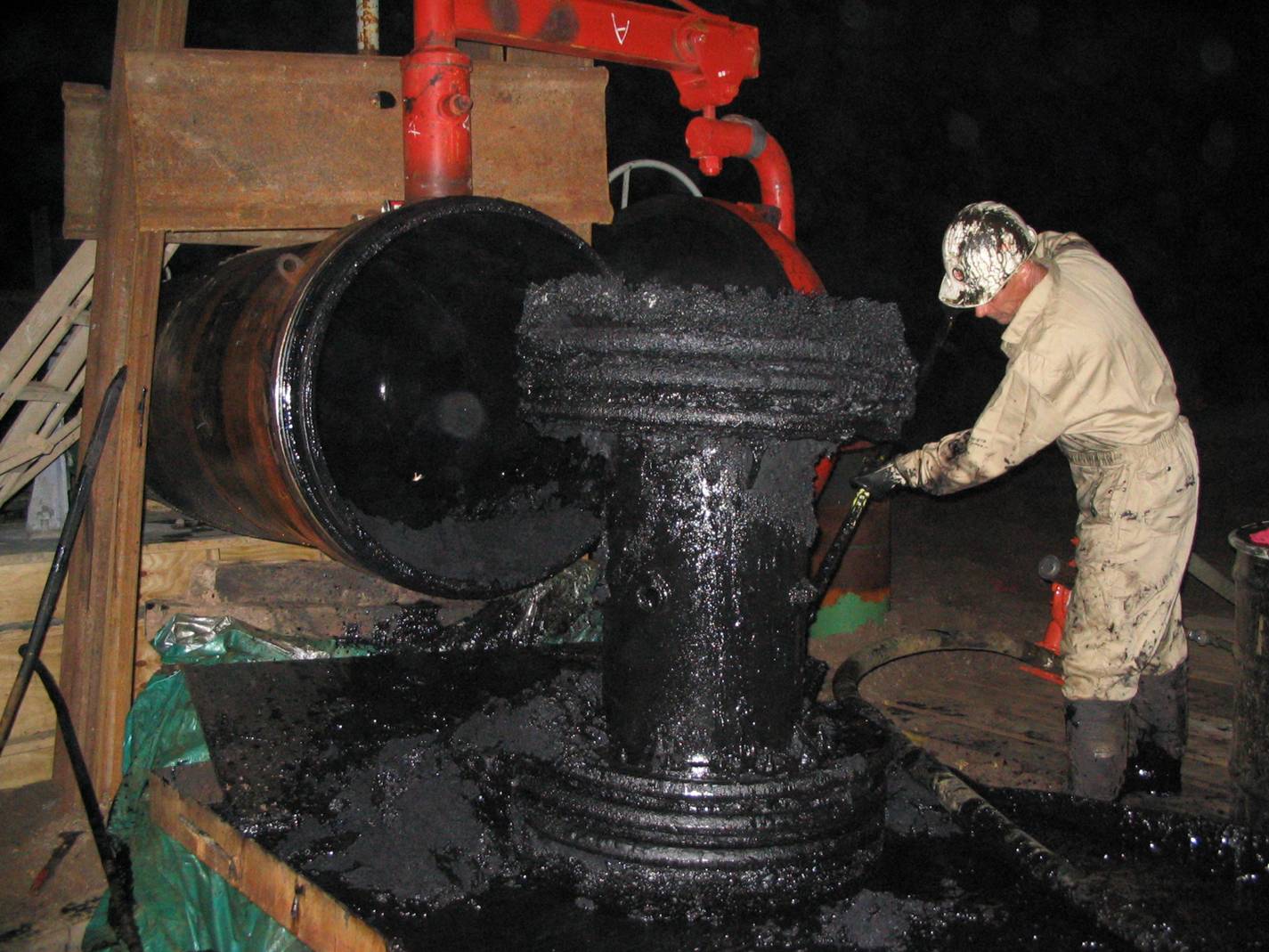
The presence of black powder in gas pipelines can damage compressors, foul instrumentation, restrict flow, and increase operational costs. Understanding black powder composition and implementing effective black powder removal strategies, such as pipeline pigging, is essential for maintaining pipeline efficiency, ensuring reliability, and supporting integrity management programs.
Black powder is an expensive issue the industry battles daily. It affects instrumentation, measurement equipment, compressor components, filters and separators, as well as some pipeline integrity programs. Millions of dollars are spent to remove black powder, and hundreds of thousands are spent to correct damage caused by black powder each year. There is little (if any) public data on the amount pipelines spend on prevention.
Black powder is generated during gas production and in wet gas pipelines through a chemical reaction of hydrogen sulphide, water and iron or by bacterial corrosion of the steel. The powder is then distributed through the pipeline with the gas flow, but is deposited when the velocity is not high enough to keep it moving (Dr John Smart – “Movement of Black Powder in Pipelines”). As sediment is deposited, the flow in the pipeline is disrupted and reduced, thereby allowing more sediment to accumulate. System through puts are affected and energy costs increased to maintain design flow rates. Blockage can occur especially during cleaning and damage caused to plant such as compressors.
What Causes Black Powder in Gas Pipelines?
Black powder in gas pipelines is primarily formed through chemical and biological processes occurring within the pipeline environment. One of the most common causes is the reaction between hydrogen sulfide (H₂S), water, and iron in steel pipelines, which produces iron sulfide deposits. In addition, oxygen exposure can lead to oxidation, forming iron oxide.
Microbial activity also contributes to black powder in gas pipelines. Sulfate-reducing bacteria (SRB) thrive in wet gas environments and accelerate corrosion, increasing the rate at which black powder in gas pipelines forms. Over time, these reactions continuously generate fine particulate matter that is transported throughout the pipeline system.
As black powder in gas pipelines accumulates, it settles in areas where gas velocity decreases. This creates a cycle where buildup restricts flow, further reducing velocity and allowing more deposits to accumulate.
What Is the Composition of Black Powder in Gas Pipelines?
Understanding black powder composition is critical for selecting the right cleaning and maintenance strategy. Black powder in gas pipelines is not a uniform substance but a mixture of several materials formed through corrosion and operational conditions.
Typical black powder composition includes:
- Iron sulfide (FeS) from chemical reactions with hydrogen sulfide
- Iron oxide from oxidation processes
- Sand, mill scale, and debris from pipeline construction
- Hydrocarbon residues and other contaminants
The variability in black powder composition makes black powder removal more complex, as different materials require different cleaning approaches. This is why black powder in gas pipelines must be analyzed before selecting a pigging or chemical treatment method.
Why Is Black Powder in Gas Pipelines a Serious Problem?
Black powder in gas pipelines creates significant operational and financial challenges. As deposits accumulate, they can restrict flow, reduce throughput, and increase energy costs required to maintain design capacity.
Equipment damage is another major concern. Black powder in gas pipelines can erode compressor components, clog filters and separators, and interfere with measurement systems. This leads to increased maintenance costs and potential downtime.
From an integrity perspective, black powder in gas pipelines can impact inspection accuracy. Contamination can interfere with inline inspection (ILI) tools, making pre-cleaning essential for reliable data collection. Regulatory frameworks such as integrity management programs require pipelines to maintain clean conditions, further emphasizing the importance of black powder removal.
What Are the Most Effective Black Powder Removal Methods?
There are two primary approaches to black powder removal: chemical cleaning and physical pigging. Both methods are used depending on pipeline conditions, deposit type, and operational requirements.
Chemical cleaning involves injecting solvents or cleaning agents into the pipeline to break down deposits. This method can be effective for certain types of black powder composition but may have limitations depending on compatibility and operating conditions.
Physical pigging is the most widely used method for black powder removal. This process involves inserting a cleaning pig into the pipeline, which is propelled by the product flow. As it travels, the pig uses mechanical force to remove deposits from the pipe wall. Inline’s ISTE® series and Pit Cleaning Pig® are both excellent examples of pigs designed with specialized components to effectively clean black powder.
How Does Pipeline Pigging Remove Black Powder in Gas Pipelines?
Pipeline pigging is one of the most effective solutions for managing black powder in gas pipelines. Cleaning pigs are equipped with specialized components such as brushes, discs, and cups that scrape and dislodge deposits as they move through the pipeline.
For example, brush-based pigs are particularly effective for removing hardened deposits associated with black powder composition. Tools like brush pigs and mandrel pigs can be configured to match specific pipeline conditions, ensuring efficient black powder removal.
However, removing black powder in gas pipelines requires careful planning. If too much material is removed at once, it can lead to plugging or operational issues. Techniques such as progressive pigging or bypass pigging are often used to safely manage large volumes of debris.
Why Is Pigging the Most Effective Method for Black Powder Removal?
Compared to chemical methods, pigging offers a more controlled and consistent approach to black powder removal. Mechanical cleaning physically removes deposits rather than attempting to dissolve them, making it more effective for dense or compacted material.
Pigging also allows operators to:
- Maintain consistent cleaning schedules
- Prevent excessive buildup
- Improve pipeline flow efficiency
- Prepare pipelines for inline inspection tools
Because black powder in gas pipelines continues to form over time, regular pigging programs are essential for long-term pipeline performance and reliability.
How Do You Design an Effective Black Powder Removal Program?
An effective strategy for managing black powder in gas pipelines requires more than just selecting the right tools. It involves a comprehensive approach that considers pipeline conditions, operational goals, and deposit characteristics.
A typical black powder removal program includes:
- Assessing pipeline conditions and contamination levels
- Analyzing black powder composition
- Selecting appropriate pigging tools and methods
- Implementing a controlled cleaning schedule
- Monitoring results and adjusting the program as needed
A structured approach ensures that black powder in gas pipelines is removed efficiently without causing operational disruptions. According to Inline’s proven methodology, successful pigging programs combine planning, assessment, execution, and ongoing support to deliver consistent results.
Managing Black Powder in Gas Pipelines Effectively
Black powder in gas pipelines is an unavoidable challenge caused by corrosion, chemical reactions, and microbial activity. Left unmanaged, it can lead to equipment damage, reduced efficiency, and increased operational costs.
Understanding black powder composition and implementing the right black powder removal strategy, particularly through pipeline pigging, is essential for maintaining pipeline performance. With the right expertise, tools, and program design, operators can effectively control black powder in gas pipelines and ensure long-term system reliability.
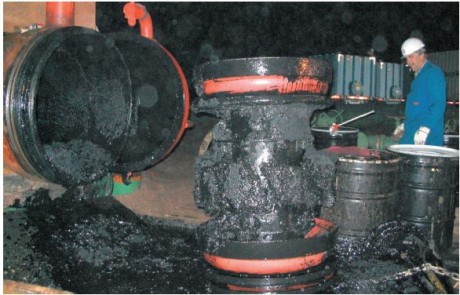
Like any job, you can have all the right tools, but if you don’t know the correct way to use them, you won’t achieve the desired result. For example, when using physical pigging to remove black powder, if there are a large amount of deposits, removing too much at once could plug the line and methods such as progressive pigging or bypass pigging will minimize the risk. It pays to invest in a pigging expert with black powder experience to assist in assessment and development of a pigging program. Every application is unique and there are many factors to consider when developing an intelligent pigging program to prevent and remove black powder. Black powder removal experts like the team at Inline Services can make sure you are using the right tools, at the right time, to get the job done right the first time.


Have More Questions?
Inline services can assist you and/or your maintenance team in assessing if pipeline pigging makes sense for your particular project. Contact us today Toll Free: 888.973.0079 Local: 281.401.8142.