
Liquid removal pigging is the process of running pigs through a pipeline to sweep out accumulated water, condensate, and other liquids before they threaten the line’s integrity. Standing liquids collect in low spots, promote corrosion, and cut throughput. Whether the goal is pipeline dewatering after hydrostatic testing or ongoing pipeline liquid removal during operation, a regular pigging program protects the pipe wall. Inline Services designs displacement and scraping pigs built specifically for effective liquid removal pigging across a wide range of pipeline conditions.
Excess Liquids Cause Pipeline Corrosion
Corrosion is inevitable within a pipeline, however taking a proactive approach to preventative maintenance, such as liquid removal pigging, can save you thousands, if not millions of dollars in repair, replacement, or environmental clean-up costs. Liquids of any kind can pose risks in both oil and gas pipelines. Low spots in oil or gas pipelines can accumulate liquids (condensate or water) causing a breeding ground for bacteria that can cause pitting of the pipeline wall.
What is MIC?
Because water is heavier than oil, water settles in low evolutions of the pipeline route. If a corrosive component in the production fluids is present, the low areas of the pipeline have the most potential for Microbiologically Induced Corrosion (MIC), making these low spots the primary target for pipeline liquid removal.
How Pipeline Pigging Can MIC?
Periodic liquid removal pigging is an effective and efficient way to prevent standing liquids from compromising the integrity of a pipeline. A pigging program that includes the use of pigs with heavy duty bristles and pit cleaning brushes are highly effective in both swiping the liquids downstream, and out of pits. Removing the liquids from the pits allows the pipeline wall to more adequately accept biocides to treat bacteria corrosion.
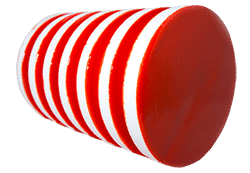
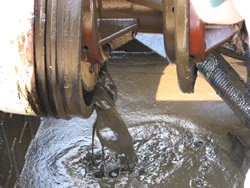
Pig Exiting Pipeline During Hydro Cleaning
Frequently Asked Questions
What is liquid removal pigging?
Liquid removal pigging uses displacement and scraping pigs to push accumulated water, condensate, and other liquids out of a pipeline. By clearing liquids from low spots and pits, it prevents internal corrosion, restores flow capacity, and helps biocides reach the pipe wall to control bacteria.
Why is pipeline liquid removal important?
Standing liquids create low spots where water settles and bacteria breed, leading to microbiologically induced corrosion and pitting. Pipeline liquid removal eliminates these liquid pockets, protecting the pipe wall and avoiding costly repairs, replacements, and environmental cleanup. It also improves efficiency by clearing flow obstructions.
How is pipeline dewatering different from routine liquid removal pigging?
Pipeline dewatering removes bulk water after hydrostatic testing or before commissioning, while routine liquid removal pigging targets liquids that accumulate during normal operation. Both use pigs to displace liquid, but dewatering typically involves larger volumes and dedicated displacement pigs run in sequence.
Which pigs work best for pipeline liquid removal?
Displacement pigs and scraping pigs are the most effective tools for pipeline liquid removal. Foam disc pigs with multiple sealing discs conform to the pipe and sweep out liquid pockets, while steel mandrel pigs fitted with discs and cups handle longer lines and tighter bends. The right choice depends on line length, diameter, and bend radius.
How often should liquid removal pigging be performed?
The frequency of liquid removal pigging depends on how quickly liquids accumulate, which varies with product type, flow rate, and pipeline profile. Lines with frequent low spots or high water content may need regular runs, while others require it less often. Inline Services can help set a schedule based on your specific pipeline conditions.
Why Choose Our Pipeline Liquids Removal Pigs?
Inline Services has developed a number of displacement pigs and scraping pigs to remove liquids from pipelines. Our patented Foam Disc Pig is flexible and has multiple sealing/wiping discs to effectively remove liquid pockets. We have also developed a Steel Mandrel bodied pig with a unique configuration of discs and cups that has proven optimal liquids removal depending on the type of line, length, number and radius of bends and frequency pigging is required. Inline Services mandrel pigs are available with both discs, cups and combinations of both depending on pipeline conditions.
If you need guidance or have questions about which type of Foam Disc Pig or Mandrel Body Pig is right for your liquid removal needs, Inline’s pigging experts can assist you in selecting the right type of pig for your liquid removal needs. contact us today!