
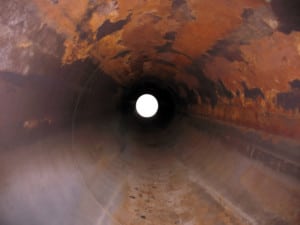
Coordinated Pipeline Pigging Programs Can Prevent Corrosion
Corrosion is the most concerning problem affecting pipeline systems, and pipeline corrosion control is a top priority for operators. Aging pipelines, improper pipeline maintenance programs, inadequate corrosion chemical programs, as well as inadequate or nonexistent pipeline pigging programs, have contributed to the increased evidence of corrosion in pipelines around the world.
State and Federal regulations have mandated that pipeline operators routinely perform inspection surveys on pipelines to determine wall loss locations. An aggressive pipeline pigging program coordinated with a corrosion inhibitor chemical treatment program is the most effective method of pipeline corrosion control, slowing the advancement of corrosion. Corrosion inhibitor chemicals are most effective when applied to a clean surface. This means that surface debris, water and any other materials must be removed from the pipeline wall before the chemicals are applied. The most effective way to prepare a pipeline for chemical treatment is corrosion control pigging with a pig specifically designed for this task. To ensure maximum effectiveness, operators must coordinate their chemical program and pipeline corrosion cleaning to control the rates of corrosion.
Pipeline Pigs for Corrosion Control Programs
Inline Services provides a number of pipeline pigs, such as the BD6-RB and BD6-BR that are ideal choices for pipeline corrosion control. These pigs can be configured with a variety of brushes for corrosion control pigging, designed to address specific corrosion issues present within the pipeline and ensure that the internal pipeline surface is prepared for chemical application. Inline’s special Pit Cleaning®Pig includes special Pit Cleaning® brushes that remove corrosive bacteria by extending into any pitted areas in the pipeline wall, disrupting the bio film that protects the active bacterial cells, and allowing biocides to actively treat the corrosive bacteria, which makes it a strong option for pipeline corrosion cleaning.
Frequently Asked Questions
What Causes Corrosion to Increase in Aging Pipeline Systems?
Corrosion rises when pipelines age and are not maintained well. Weak maintenance programs, inadequate corrosion chemical programs, and missing or poor pigging programs all contribute. State and Federal regulations also require routine inspection surveys to find wall loss locations.
Why Is Corrosion Control Pigging Done Before Chemical Treatment?
Corrosion inhibitor chemicals work best on a clean surface. Debris, water, and other materials on the pipe wall block the chemical from reaching the steel. Corrosion control pigging removes them first so the treatment can protect the wall.
How Do Pigging and Corrosion Inhibitors Work Together?
An aggressive pigging program coordinated with a corrosion inhibitor treatment program is the most effective way to slow corrosion. Pigging cleans the wall, then the inhibitor is applied. Operators should time both so corrosion rates stay under control.
What Pigs Does Inline Services Offer for Corrosion Control?
Inline Services offers pigs such as the BD6-RB and BD6-BR, which are ideal for corrosion control. They can be configured with a variety of brushes to address specific corrosion issues and prepare the pipe surface for chemical application.
How Does the Pit Cleaning Pig Remove Corrosive Bacteria?
The Pit Cleaning Pig uses special Pit Cleaning brushes that reach into pitted areas of the pipe wall. They disrupt the biofilm that protects active bacterial cells, which lets biocides treat the corrosive bacteria directly.
We Can Help You With Pipeline Corrosion Prevention
The pipeline pigging experts at Inline Services can assist you in determining which type of corrosion control pig is right for your pipeline corrosion control and prevention program. Click here to send us an email, or give us a call at (281) 401. 8142 or toll free at (888) 973.007.