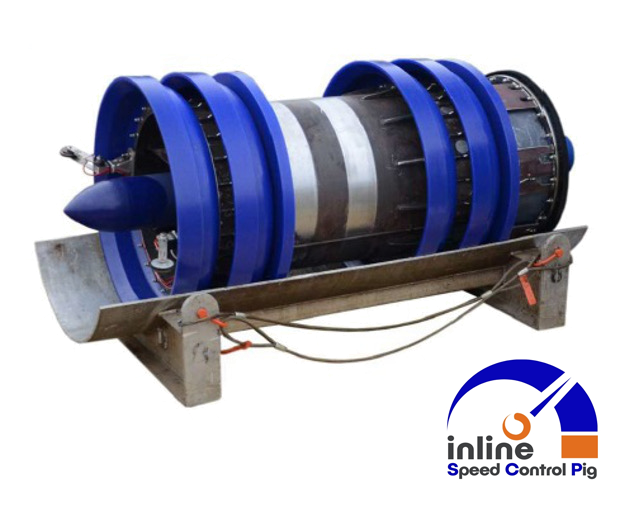
Extreme Flow Pipeline Pigs from Inline Services are built for gas lines that run at high velocities, where standard pigs travel too fast to clean well. As a pipeline pigging company in Houston, we design pigs that give operators dependable pipeline pig speed control without cutting flow or revenue. Our Speed Control Pigs support natural gas pipeline pigging for cleaning, corrosion mitigation, and pre-ILI runs, keeping each pig inside its ideal speed window.
Why is Pig Speed Important?
Pigging speed is crucial to a safe and effective natural gas pipeline cleaning pigging program, and pipeline pig speed control is what keeps every run on target. A cleaning pig must obtain a seal within the line for the separation of dissimilar fluids in products pipelines, for condensate removal in gas pipelines, for commissioning and for providing secondary barriers for pipeline isolation. Pigs are designed for optimal cleaning at around 8 m/s. Slower speeds could result in a pig being held up at a weld, potentially resulting in a dangerous situation when the pressure builds behind the pig, and abruptly dislodges the pig, thrusting it away at speeds over 60 mph. Higher speeds will result in the pig bypassing debris and liquids, proving ineffective. Without pipeline pig speed control, either outcome is possible on a single run.
Product Flow Reduction Concerns
In large natural gas pipelines with ultra high velocities, operators are reluctant to reduce flows down for pigging, as this results in a reduction of revenue generating delivery. This poses a unique challenge in natural gas pipeline pigging, where effective cleaning for corrosion mitigation purposes or pre ILI runs is required. Reliable pipeline pig speed control lets operators keep gas moving while the pig holds a safe cleaning speed.


Maintaining Optimal Cleaning Speed is Now Possible
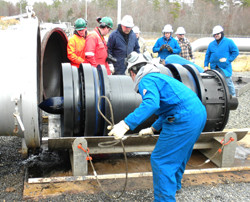
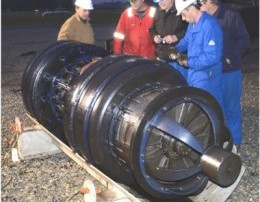
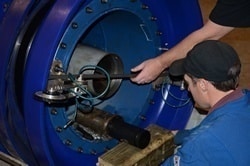
To meet this challenge, Inline Services, a pipeline pigging company in Houston, has designed a new series of Speed Control Pigs, specifically for these circumstances, which can maintain optimal cleaning speeds of 6 to 10 mph within a gas flow velocity of up to 33 mph. The Speed Control Pigs’ IMU constantly monitors and records its surrounding environment, which can be exported and analysed onsite. At predetermined speeds increased bypass is allowed through the pig to slow its progress and bypass is reduced to increase speed. This built-in pipeline pig speed control is what keeps the pig in its cleaning window. The extra bypass through can be useful for moving loose deposits ahead of the pig. In addition, Inline’s Speed Control Pig can aid in the use of chemical inhibitors, determining quantities dispersed, recovery and liquids balance within the line. It is a practical option for natural gas pipeline pigging where flow cannot be reduced.
Frequently Asked Questions
Why Is Pig Speed Important in Natural Gas Pipeline Cleaning?
Pigging speed is crucial to a safe and effective cleaning program, and pipeline pig speed control is central to it. A pig must hold a seal to separate fluids, remove condensate, support commissioning, and act as a secondary isolation barrier. Pigs are designed for optimal cleaning at around 8 m/s.
What Happens When a Pig Runs Too Slow or Too Fast in a Line?
Slow speeds can leave a pig held up at a weld. Pressure then builds behind it and abruptly dislodges it, thrusting it away at over 60 mph, which is dangerous. Higher speeds make the pig bypass debris and liquids, so cleaning is ineffective.
Why Do Operators Avoid Reducing Flow for Gas Pipeline Pigging?
In large natural gas pipelines with ultra high velocities, cutting flow for pigging reduces revenue generating delivery. This makes effective cleaning for corrosion mitigation or pre-ILI runs a unique challenge, and one that pipeline pig speed control is built to solve.
How Do Speed Control Pigs Keep Optimal Cleaning Speed?
Inline Services, a pipeline pigging company in Houston, builds Speed Control Pigs that hold cleaning speeds of 6 to 10 mph in gas flow of up to 33 mph. At set speeds, bypass through the pig increases to slow it, and decreases to speed it up. Extra bypass also moves loose deposits ahead of the pig.
What Data Does the Speed Control Pig IMU Record and Provide?
The IMU constantly monitors and records the pig’s surrounding environment, and the data can be exported and analyzed onsite. The Speed Control Pig also supports pipeline pig speed control and can help with chemical inhibitor use, including quantities dispersed, recovery, and liquids balance in the line.
We Can Help Improve Your Natural Gas Pipeline Integrity Program
For more information about a recent project utilizing our Speed Control Pig, or to discuss how Inline Services can improve your Natural Gas Pipeline Integrity Program with natural gas pipeline pigging and pipeline pig speed control, contact us at 281.401.8142 or toll free at 888.973.0079.