
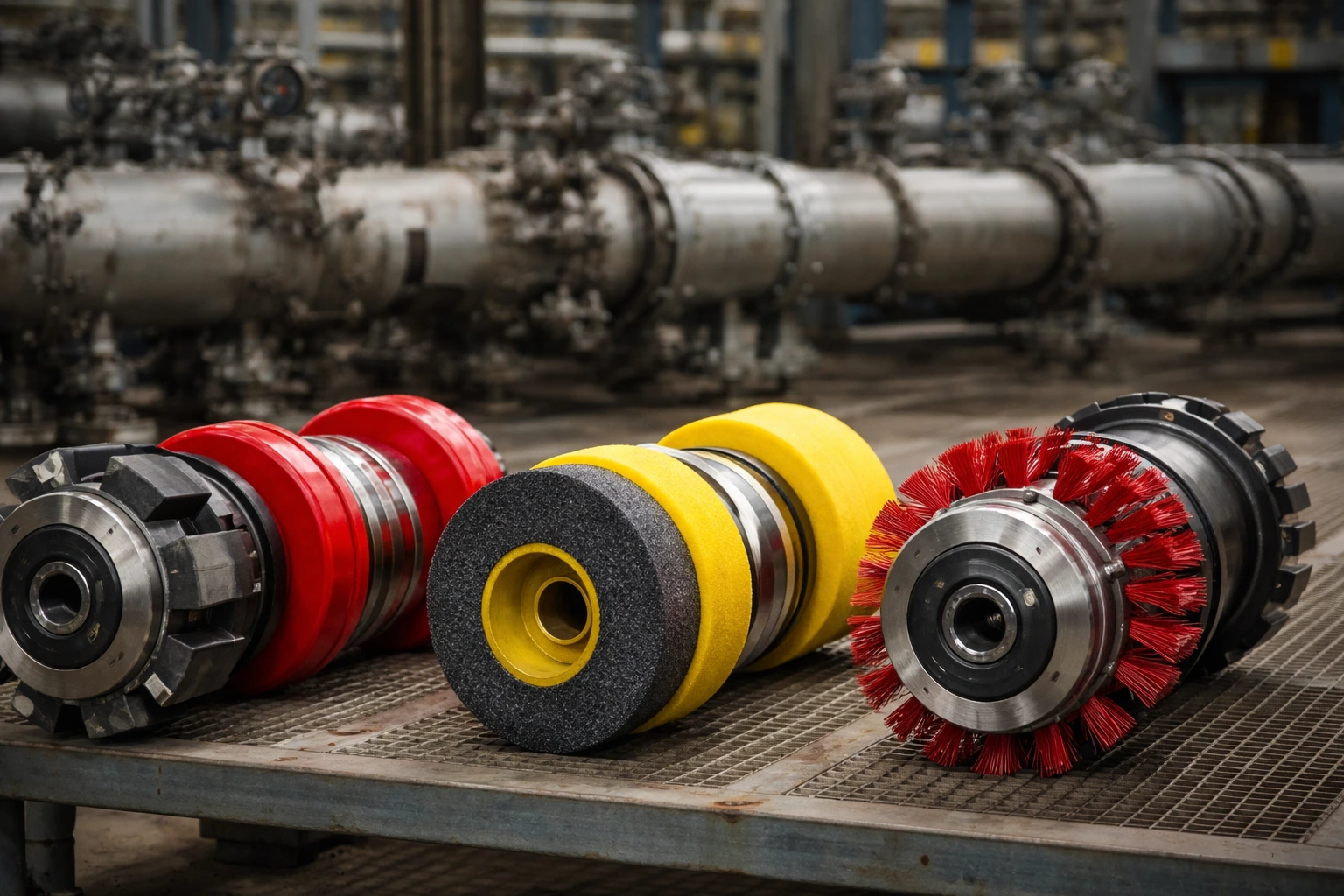
Pipeline pigs are essential tools used to clean, inspect, and maintain pipelines without interrupting flow. In industries like pigging oil and gas, these devices travel through pipelines to remove debris, separate products, and ensure operational efficiency. Understanding how do pipeline pigs work is critical for maintaining pipeline integrity, reducing corrosion risks, and preparing pipelines for inspection tools. Whether used for cleaning, batching, or inspection, pipeline pigs play a vital role in keeping pipelines safe and efficient across oil, gas, and industrial applications.
What Are Pipeline Pigs?
Pipeline pigs are mechanical devices inserted into pipelines and propelled by the flow of the product inside. In pigging oil and gas operations, pipeline pigs are commonly used to clean buildup such as wax, scale, or black powder while also separating different products transported in the same line.
These pipeline pigs come in various designs, including foam pigs, urethane pigs, and steel mandrel pigs, each tailored for specific applications. For example, foam pipeline pigs are ideal for light cleaning and drying, while mandrel pipeline pigs are used for heavy-duty cleaning and debris removal.
To better understand how do pipeline pigs work, it’s important to recognize that they create a seal against the pipeline wall, allowing pressure to push them forward while performing their task.
How Do Pipeline Pigs Work?
The process of how do pipeline pigs work is relatively straightforward but highly effective. Pipeline pigs are launched into the pipeline through a launcher and driven by pressure from gas or liquid flow. As they travel, pipeline pigs scrape, wipe, or push materials along the pipeline interior.
In pigging oil and gas systems, pipeline pigs can also be equipped with sensors or transmitters to track their location and performance. Advanced technologies like intelligent pigs collect data on pipeline conditions, including corrosion, dents, and wall thickness.
Pipeline pigs maintain constant contact with the pipeline wall, ensuring effective cleaning and product separation. This continuous contact is what allows pipeline pigs to remove stubborn debris and improve flow efficiency.
Common Types of Pipeline Pigs
Different applications require different types of pipeline pigs. Selecting the right type is essential for achieving optimal results in pigging oil and gas operations.
Foam Pipeline Pigs
Foam pipeline pigs are flexible and commonly used for drying, cleaning, and batching. They can easily navigate bends and diameter changes, making them ideal for complex pipelines.
Urethane Pipeline Pigs
Urethane pipeline pigs are more durable and provide better sealing and scraping capabilities. They are often used in pigging oil and gas pipelines where more aggressive cleaning is required.
Steel Mandrel Pipeline Pigs
Steel mandrel pipeline pigs are heavy-duty tools designed for removing tough deposits like wax and scale. These pipeline pigs are also reusable and can be customized with brushes and discs.
Understanding how do pipeline pigs work across these types helps operators choose the right solution for their specific pipeline conditions.
Applications of Pipeline Pigs in Pipelines
Pipeline pigs are used across a wide range of applications in pigging oil and gas industries and beyond.
Pipeline Cleaning
One of the primary uses of pipeline pigs is cleaning. Pipeline pigs remove debris, scale, and buildup that can restrict flow and reduce efficiency.
Product Separation
In pipelines transporting multiple products, pipeline pigs act as separators, preventing mixing and contamination.
Inspection and Integrity Management
Intelligent pipeline pigs are used to inspect pipelines and collect data. This is especially important in pigging oil and gas operations where safety and compliance are critical.
Pipeline Commissioning and Dewatering
Pipeline pigs are also used during pipeline construction to remove water and debris before operations begin.
Knowing how do pipeline pigs work in these applications ensures pipelines remain efficient and compliant with industry regulations.
Benefits of Using Pipeline Pigs
Using pipeline pigs provides several operational and economic benefits, particularly in pigging oil and gas environments.
- Improved Flow Efficiency: Pipeline pigs remove buildup that restricts flow.
- Reduced Maintenance Costs: Regular use of pipeline pigs reduces the need for costly repairs.
- Enhanced Safety: Pipeline pigs help prevent blockages and pressure issues.
- Regulatory Compliance: Supports integrity management programs and inspection readiness.
Pipeline pigs also play a key role in extending pipeline lifespan by preventing corrosion and buildup. Understanding how do pipeline pigs work allows operators to maximize these benefits.
Key Considerations When Using Pipeline Pigs
While pipeline pigs are highly effective, proper planning is essential for success in pigging oil and gas operations.
Pipeline Conditions
Factors such as diameter, bends, and product type influence which pipeline pigs should be used.
Pig Selection
Choosing the correct pipeline pigs ensures efficient cleaning and prevents operational issues.
Monitoring and Tracking
Using tracking equipment helps monitor pipeline pigs during operations and ensures successful runs.
Understanding how do pipeline pigs work in different environments helps operators avoid common challenges and optimize performance.
Pipeline Pigging Solutions for Reliable Operations
Inline Services provides pipeline pigs and pigging oil and gas solutions to help keep your pipelines clean, efficient, and operating as they should. Give our team a call or message us today to find the right solution for your application.