
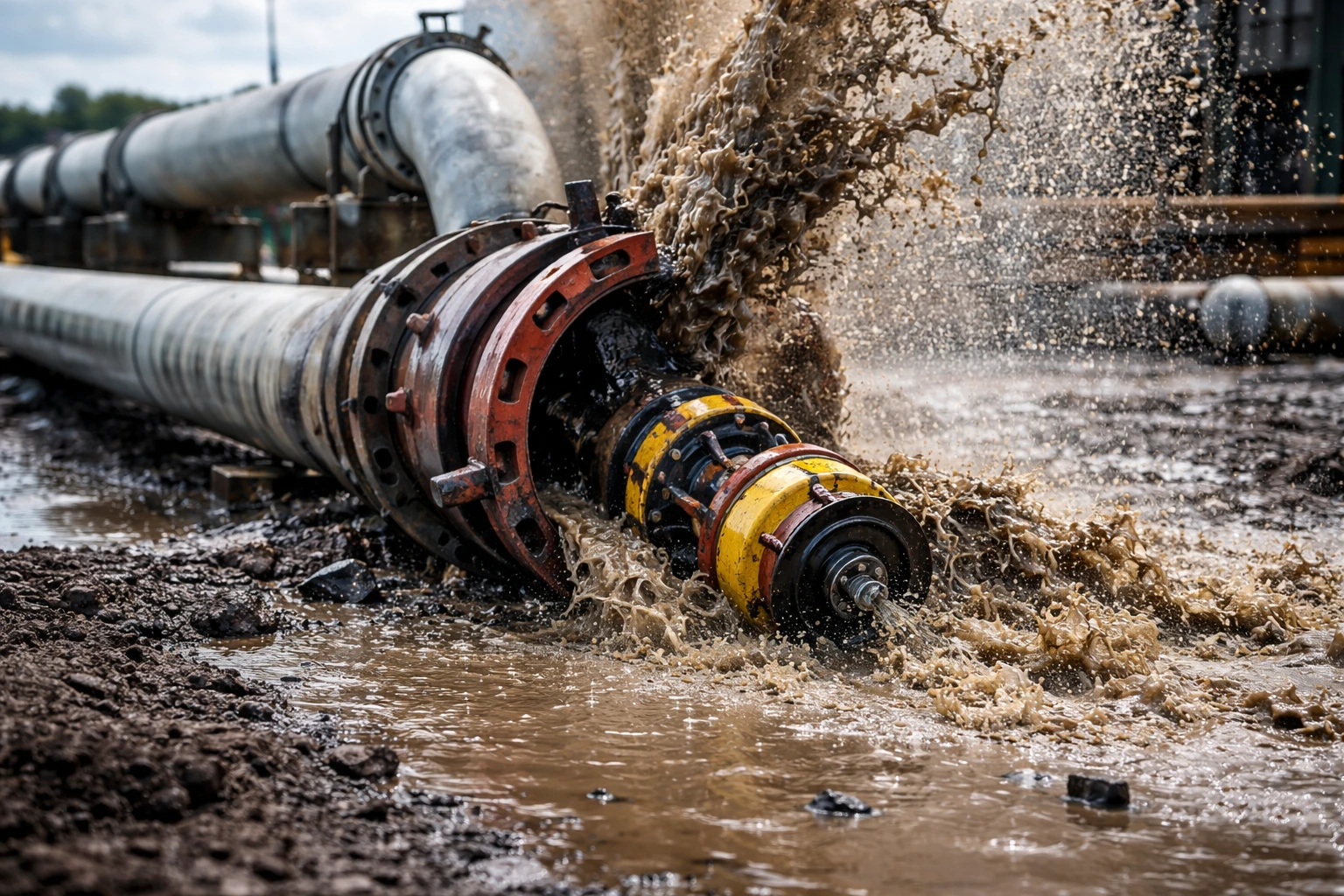
When pigging pipeline operations are done incorrectly, the consequences can include reduced flow efficiency, increased corrosion, equipment damage, and even pipeline failure. Effective pipeline cleaning is critical to maintaining safe and efficient operations, especially in demanding environments like oil and gas. Failing to execute proper pigging procedures or not pigging a pipeline at all can lead to debris buildup, pressure issues, and costly downtime. Understanding what can go wrong during pigging pipeline operations helps operators avoid risks, improve reliability, and maintain long-term pipeline integrity.
Why Proper Pigging Pipeline Operations Matter
Proper pigging pipeline practices are essential for maintaining internal cleanliness and ensuring consistent flow. In many systems, pipeline cleaning is not just a maintenance task but a requirement for safe operation.
When operators delay or improperly execute pigging, or in cases of not pigging a pipeline, contaminants such as wax, scale, and black powder begin to accumulate. These materials can restrict flow and create uneven pressure conditions. Over time, poor pigging pipeline practices can lead to increased wear on equipment and reduced system efficiency.
Understanding the importance of proper pigging pipeline execution is the first step in preventing operational issues.
Common Mistakes in Pigging Pipeline Operations
Mistakes during pigging pipeline operations often result from poor planning, incorrect equipment selection, or lack of monitoring. These issues can significantly reduce the effectiveness of pipeline cleaning.
Incorrect Pig Selection
Using the wrong pig type is one of the most common problems in pigging pipeline operations. Foam pigs, urethane pigs, and mandrel pigs each serve different purposes. Selecting the wrong tool can result in incomplete pipeline cleaning or even damage to the pipeline.
Inadequate Pre-Assessment
Failing to assess pipeline conditions before pigging pipeline operations can lead to poor outcomes. Without understanding debris levels or pipeline geometry, operators risk ineffective cleaning or pig stalling. This is especially problematic when not pigging a pipeline regularly and attempting to run pigs after significant buildup has occurred.
Lack of Monitoring
Tracking pig movement is critical during pigging pipeline operations. Without proper monitoring, operators may not detect issues such as stuck pigs or incomplete runs, leading to operational disruptions and reduced pipeline cleaning effectiveness.
Improper Launch and Retrieval
Errors during launching or receiving pigs can result in safety hazards and equipment damage. Proper procedures are essential for safe and effective pigging pipeline execution.
What Happens If You Are Not Pigging a Pipeline
Not pigging a pipeline can have serious consequences over time. Without regular pipeline cleaning, debris accumulates inside the pipeline, leading to reduced flow and increased pressure.
When not pigging a pipeline, operators may experience:
- Increased risk of corrosion due to trapped moisture and contaminants
- Reduced flow efficiency caused by buildup
- Higher energy costs due to increased friction
- Greater likelihood of blockages and unplanned shutdowns
In many cases, delayed pigging pipeline operations require more aggressive cleaning later, increasing both cost and risk. Understanding the impact of not pigging a pipeline highlights the importance of consistent maintenance.
Operational Risks of Incorrect Pigging Pipeline
Improper pigging pipeline execution introduces several operational risks that can impact both safety and performance.
Pig Stalling or Getting Stuck
If pigs are not properly selected or if debris levels are too high, pigs can become stuck during pigging pipeline operations. This can result in costly retrieval efforts and downtime.
Pipeline Damage
Incorrect pig selection or excessive force during pigging pipeline operations can damage internal pipeline surfaces. This is especially true when pipeline cleaning is performed without considering pipeline conditions.
Incomplete Cleaning
Ineffective pigging pipeline can leave behind debris that continues to impact flow and performance. Incomplete pipeline cleaning reduces the overall effectiveness of maintenance programs.
Pressure and Flow Issues
Improper pigging can disrupt flow conditions, leading to pressure imbalances. This risk increases when not pigging a pipeline regularly and attempting to remove large amounts of buildup in a single run.
How to Avoid Pigging Pipeline Failures
Preventing issues in pigging pipeline operations requires careful planning, proper equipment selection, and ongoing monitoring. Effective pipeline cleaning depends on following best practices.
Conduct Proper Assessments
Before starting pigging pipeline operations, evaluate pipeline conditions, including debris levels and geometry. This helps ensure the right approach to pipeline cleaning.
Select the Right Pig
Choosing the correct pig type is critical for successful pigging pipeline execution. Matching pig design to pipeline conditions improves cleaning effectiveness and reduces risk.
Monitor Pig Movement
Using tracking and detection equipment allows operators to monitor pigging pipeline progress in real time. This helps identify issues early and ensures complete pipeline cleaning.
Maintain Regular Pigging Schedules
Avoiding not pigging a pipeline situations requires consistent maintenance schedules. Regular pigging pipeline operations prevent excessive buildup and reduce operational risks.
The Role of Advanced Pigging in Preventing Issues
Modern pigging solutions are designed to address many of the challenges associated with traditional pigging pipeline operations. Advanced tools improve both cleaning and monitoring, enhancing overall pipeline cleaning effectiveness.
Technologies that provide real-time data during pigging pipeline runs help operators understand pipeline conditions and adjust strategies as needed. This reduces the likelihood of issues such as pig stalling or incomplete cleaning.
By avoiding not pigging a pipeline and leveraging advanced pigging methods, operators can maintain better control over pipeline performance and reduce long-term maintenance costs.
Long-Term Impact of Poor Pigging Pipeline Practices
Over time, poor pigging pipeline practices can significantly impact pipeline performance and reliability. Without effective pipeline cleaning, pipelines are more susceptible to corrosion, blockages, and efficiency loss.
In cases of repeated errors or not pigging a pipeline, the cost of corrective maintenance can increase significantly. Operators may need to perform extensive cleaning or repairs to restore normal operation.
Consistent and properly executed pigging pipeline operations help prevent these issues and support long-term system integrity.
Preventing Pipeline Issues with Effective Pigging Practices
Avoiding problems in pigging pipeline operations starts with understanding the risks and implementing the right approach to pipeline cleaning. Inline Services supports operators with solutions designed to improve cleaning performance and reduce operational challenges. Give our team a call or message us today to discuss your pipeline needs.