
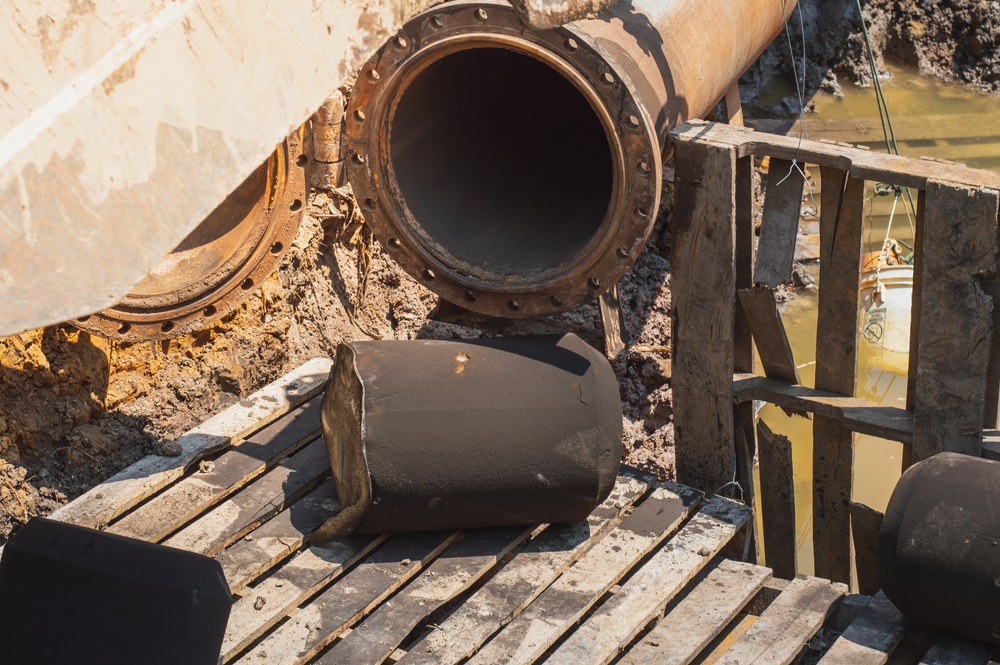
Removing a pig from a launcher or receiver may seem like a small moment in a pipeline operation, but anyone who has actually done the work knows otherwise. Pig retrieval requires control, reach, and the right tool, because the last thing you want is a stuck pig, an unsafe retrieval attempt, or a costly delay while the line sits waiting. That’s why selecting the right pig retrieval pole is far more important than most operators realize.
A pig retrieval pole is a specialized tool designed to safely grab, guide, or retrieve a pig after it completes its run. Whether used on natural gas lines, crude pipelines, or refined product systems, this pipeline pigging pole gives operators the reach and leverage needed to manage pigs in both routine and high-pressure situations. Inline Services offers a range of Pipeline Pig Retrieval Poles built for durability, operator safety, and ease of use, but choosing the right model means understanding what actually matters in the field.
The Role of Pig Retrieval Poles in Pipeline Operations
At its core, a pig retrieval pole acts as the operator’s extended arm, giving them the ability to safely hook, push, pull, or position a pig inside the launcher or receiver. Without a proper pole, operators may struggle with reach, visibility, or control, especially when dealing with large-diameter pigs or lines that collect debris during runs. Retrieval poles prevent operators from leaning into hazardous areas, reduce physical strain, and dramatically lower the risk of injury.
Their importance becomes even more obvious during high-flow operations, liquid-rich systems, or any pipeline environment where pressure, debris, or limited space can make retrieval difficult. In these situations, the pig retrieval pole is not just a convenience, it’s a critical safety tool.
Key Considerations for Choosing the Right Pole
The best pig retrieval pole is the one designed for the specific environment, pig size, and operator. While it may be tempting to grab the longest or strongest pole available, smart selection requires evaluating a few core factors.
Pole Length and Material Matter More Than You Think
Length determines reach and control. A pole that’s too short forces the operator to get dangerously close to the receiver door, while one that’s too long can be unwieldy, especially in confined spaces. It’s all about finding the balance between reach and maneuverability.
Material selection is just as important. A fiberglass pig pole is common because it offers non-conductive properties, making it ideal when working around electrical hazards or static-sensitive environments. Aluminum poles, on the other hand, offer lightweight durability and can handle more demanding mechanical loads. Each comes with advantages depending on the environment, but both outperform wood or improvised materials that lack industrial-grade safety and reliability.
Compatibility With Different Pig Sizes
Pipeline pigs can range from small-diameter foam pigs to large steel mandrel pigs with significant mass. A pig retrieval pole should match the type of pigs routinely used in your operations. Larger pigs require a robust pole with a strong gripping mechanism, while smaller pigs may require precision maneuvering rather than force.
Inline Services designs poles capable of safely handling the full spectrum, which can reduce the need for multiple specialized tools across different pipeline systems.
The Gripping Mechanism Defines Usability
The tip of the pig retrieval pole is where the real work happens. Operators generally rely on two primary mechanisms:
- Hooks, which allow the pole to latch onto the pig’s body, eye bolt, or rear plate
- Magnetic tips, which attach to ferrous materials on steel pigs or mandrels.
Hooks offer dependable grip in almost any scenario and are especially useful when dealing with pigs covered in debris, wax, or product residue. Magnetic tips are beneficial for smooth retrieval when hooks may not have a clear attachment point.
In many situations, a pipeline pigging pole with interchangeable heads can provide the versatility needed to handle both types of pigs, allowing a single pole to serve multiple functions.
Operator Safety and Ergonomics
A well-designed pig retrieval pole reduces physical strain, especially in repetitive operations. Weight, grip texture, balance, and overall handling significantly affect efficiency. Lightweight materials prevent fatigue, while secure, non-slip hand grips give operators control even in wet or greasy conditions. Length adjustability is another advantage, enabling operators to tailor the tool to the job without compromising safety.
Safety isn’t just about ergonomics, it’s also about clearance. With the right pole, the operator maintains a safe distance from the receiver door, reducing exposure to potentially hazardous pressure pockets or unexpected movement inside the barrel.
Suitability for High-Pressure or Hazardous Environments
Not all retrieval situations are equal. High-pressure systems or lines containing hazardous products require equipment that minimizes operator exposure. This means choosing a pig retrieval pole with adequate rigidity to withstand pressure surges and enough length to maintain safe distance. Non-sparking materials may also be required in certain environments to avoid ignition risks. A fiberglass pig pole is often preferred in these conditions because it reduces the potential for electrical conduction or spark generation.
Why the Right Retrieval Pole Improves Safety and Efficiency
Choosing the appropriate pig retrieval pole isn’t just good practice, it directly impacts operational continuity. The right tool prevents dropped pigs, reduces line downtime, speeds up retrieval, and minimizes operator fatigue. A proper retrieval system also protects expensive pigs, especially steel mandrel or smart pigs, from damage during removal, saving significant replacement costs.
Inline Services supports these objectives through thoughtfully engineered poles that prioritize durability, operator safety, and compatibility with modern pigging equipment. Their retrieval tools reflect decades of field experience and are designed with the challenges of real-world pipeline environments in mind.
Choosing the Right Pig Retrieval Pole for Every Run
A pig retrieval pole may seem like a simple tool, but in pipeline operations, it plays a vital role in safety, precision, and efficiency. By choosing the right length, material, gripping mechanism, and design features, operators can dramatically reduce risks and streamline retrieval tasks. Inline Services provides Pipeline Pig Retrieval Poles that are engineered to meet these exact needs, ensuring your team can retrieve pigs confidently, safely, and efficiently, one run after another.