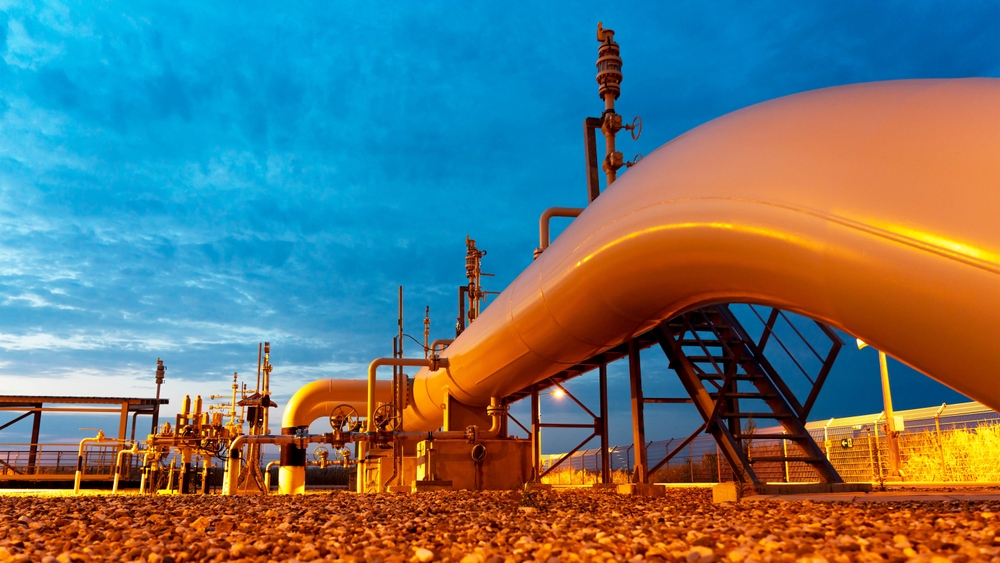
CNG for pipeline pigging means using compressed natural gas as the drive medium that pushes a pig through the line, usually from tube trailers during commissioning, dewatering, or low-pressure operations. It works, but it brings five recurring problems: uncontrolled pig velocity, wrong tool selection, debris that stalls the run, pigs that go untracked, and cleaning aggressive enough to damage the pipe. The fixes are known. Speed Control Pigs regulate travel speed instead of letting gas expansion dictate it. A pre-run assessment matches the pig to the line. Scheduled cleaning stops debris from accumulating. Transmitters and tracking software keep the tool located. Controlled force protects wall integrity. Each CNG for pipeline pigging challenge is broken down below with the fix Inline Services applies on natural gas pigging jobs.
1. Managing High-Velocity Gas Flow During Pigging
One of the most significant challenges in pigging natural gas pipelines is dealing with high-velocity flow. Gas expands as pressure drops across the pig, so a tool that launches at a reasonable speed can accelerate hard down the line. Traditional natural gas pigging methods often struggle to control that speed, leading to uneven cleaning, increased wear on the pig, and potential damage to the pipeline. If a pig moves too fast, it may fail to remove debris effectively. If it slows down unexpectedly, it can become lodged, causing costly downtime. Anyone using CNG for pipeline pigging sees this magnified, because trailer supply pressure falls as the tubes empty and velocity shifts mid-run.
Solution: Speed Control Pigging
Instead of relying on conventional pigs that travel at uncontrolled speeds, operators are turning to Speed Control Pigs. These advanced tools regulate their own velocity, ensuring consistent, effective cleaning without excessive wear or the risk of getting stuck. By maintaining an optimal speed, they provide thorough cleaning and reduce strain on the pipeline. That self-regulation is what makes CNG for pipeline pigging workable on lines where supply pressure cannot be held steady from launch to receipt. Inline Services offers innovative Speed Control Pigging solutions, designed to handle high-velocity gas pipelines safely and efficiently.
2. Selecting the Right Pig for the Job
With so many pigging tools available, choosing the wrong one can lead to inefficient cleaning, increased operational costs, or even damage to the pipeline. Different pigs are designed for various functions, including cleaning, batching, and inspecting, and CNG for pipeline pigging narrows which of them will actually hold a seal. Using an inappropriate pig can result in incomplete debris removal or excessive wear on the equipment. Pigging natural gas pipelines with a dry, compressible medium also changes what the tool has to do, because sealing discs get no lubricating film and a cup that performs well in liquid can let gas channel past it. A compressible drive medium narrows the margin further, so pig selection deserves more scrutiny here than it would on a liquid-driven run.
Solution: Customized Pigging Solutions
Operators should conduct a detailed pipeline assessment before selecting a pigging tool. For CNG for pipeline pigging, that assessment covers pipe diameter, flow conditions, available drive volume, and the type of buildup in the line. Sealing element material and disc configuration matter more in dry gas service than in liquid, because there is no lubricating film protecting them. Inline Services specializes in helping operators choose the right pig for the job, whether that job is a conventional natural gas pigging run or a trailer-fed run using CNG for pipeline pigging.
3. Debris Accumulation and Blockages
Pipeline debris such as scale, wax, or liquids can accumulate over time, restricting flow and increasing pressure. If not addressed, these blockages can result in reduced operational efficiency, higher energy consumption, and potential safety risks. Debris can also cause pigs to stall or become stuck, leading to costly downtime. Black powder is the recurring offender when pigging natural gas pipelines, and it packs ahead of the tool instead of flushing through, which is a particular risk on CNG for pipeline pigging runs with limited drive volume.
Solution: Regular Maintenance and Monitoring
Routine pigging, combined with real-time monitoring, helps prevent debris buildup and ensures consistent flow. Implementing a proactive cleaning schedule using Speed Control Pigs minimizes the risk of blockages. These pigs remove contaminants at a controlled pace, optimizing cleaning performance while reducing stress on the pipeline. Sequence the run set as well. Start with a bare or foam pig to gauge debris volume, then step up to brush and disc configurations once you know what is actually in the line. When pigging natural gas pipelines, guessing at aggressiveness on the first pass is how pigs get stuck. Shorter, more frequent intervals beat one aggressive run, especially where CNG for pipeline pigging caps how much drive volume is available per pass. Inline Services provides industry-leading pigging products designed to keep natural gas pigging programs operating at peak efficiency.
4. Pig Tracking and Retrieval Issues
Losing track of a pig inside the pipeline can create significant operational headaches. If a pig becomes lodged, operators may face delays, increased costs, and potential safety concerns. Without proper tracking systems in place, locating and retrieving a stuck pig can be a time-consuming challenge. Gas-driven natural gas pigging runs make it harder still, because there is no liquid slug to reference and the pressure signature at the receiver is less definitive, so CNG for pipeline pigging without tracking is largely guesswork.
Solution: Advanced Pig Tracking Technologies
Modern pig tracking systems help operators monitor pig location and movement in real time. Utilizing transmitters and tracking software, operators can detect anomalies, anticipate issues, and take corrective action before problems escalate. Fixing tracker positions ahead of the run and logging pass times builds a velocity profile you can compare against the plan, which turns CNG for pipeline pigging from a blind push into a measured operation. Inline Services offers state-of-the-art pig tracking solutions, allowing for precise monitoring and seamless pig retrieval when needed. That visibility is what separates a controlled approach to pigging natural gas pipelines from a hopeful one.
5. Balancing Efficiency with Pipeline Integrity
Operators need to maximize efficiency without compromising pipeline integrity. Aggressive natural gas pigging methods, such as high-velocity runs, can increase wear and tear, leading to long-term damage and costly repairs. Wall loss from over-aggressive cleaning is not recoverable, which makes the integrity case for a controlled cleaning schedule as strong as the throughput case. Finding the right balance between effective cleaning and pipeline longevity is crucial, and that balance decides whether CNG for pipeline pigging saves money or creates a liability.
Solution: Controlled Cleaning with Speed Control Technology
Using Speed Control Pigs, operators can achieve thorough cleaning while maintaining pipeline integrity. These pigs apply a steady and controlled force, removing debris without causing undue stress on the pipeline. This method extends the lifespan of the infrastructure while ensuring reliable performance. It also makes results repeatable, which is what allows CNG for pipeline pigging to sit inside a fixed maintenance schedule rather than being a reaction to a flow problem.
Final Thoughts
Pigging is a vital component of natural gas pipeline maintenance, but it comes with its own set of challenges. By addressing issues such as high-velocity flow, pig selection, debris accumulation, tracking difficulties, and pipeline integrity, operators can optimize performance and minimize operational risks. Every one of those five decisions tightens when you are pigging natural gas pipelines with a compressible, finite drive medium.
Inline Services is your trusted partner in overcoming these challenges. With industry-leading Speed Control Pigging solutions, tracking technologies, and customized pigging products, we help ensure your pipelines remain clean, efficient, and safe, on conventional natural gas pigging programs and on CNG for pipeline pigging campaigns alike.
Ready to take your pipeline pigging operations to the next level? Contact Inline Services today to find the right solution for your needs.