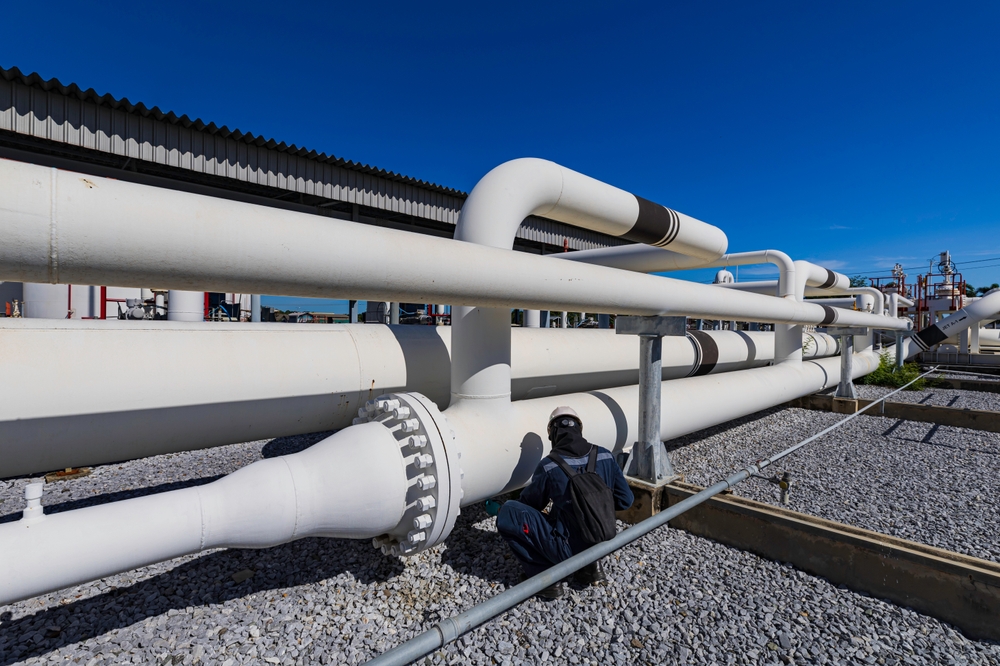
High-velocity natural gas lines need controlled-speed pigging, not faster pigging. The pipeline cleaning solutions that work in these systems regulate how fast the tool travels so it keeps steady wall contact instead of skipping over debris. Speed Control Pigs do exactly that. They self-regulate as flow conditions shift, which is why they beat conventional high-velocity tools on pipeline cleaning efficiency and on safety. Deploy these pipeline cleaning solutions when flow restricts, pressure drops unevenly, pigs stall or wear early, or maintenance cycles start getting shorter. They are also the right call before an in-line inspection run and after construction, when weld slag and test water need clearing. Below: when a line needs this level of pipeline cleanup, what delay costs you, and what a controlled-speed run looks like from assessment to post-run verification.
Understanding the Purpose of Pipeline Cleaning
Pipeline systems are the beating heart of energy infrastructure. Over time they accumulate debris, everything from dust and dirt to scale, wax, and liquids. Left unchecked, these materials slow flow, raise pressure, and force systems to work harder than they should. That is where pipeline cleaning solutions earn their keep, and not just any method, but one that is precise, powerful, and proven.
In high-demand operations like natural gas transport, where flow velocity is already intense, operators often explore high velocity pipeline cleaning, though not in the traditional, uncontrolled sense. The real answer lies in regulated Speed Control Pigging, one of the few pipeline cleaning solutions that governs the speed at which the cleaning tool travels through the line. Controlling that speed is what separates a successful pipeline cleanup from a run that pushes debris around without removing it.
Why Traditional High-Velocity Cleaning Isn’t the Answer
While high velocity may sound efficient, conventional high-speed cleaning carries real risk. Pigs traveling too fast can skip over debris, bounce erratically, or damage the pipeline itself. The industry is moving away from uncontrolled velocity toward smarter, controlled-speed pipeline cleaning solutions that deliver consistent results without sacrificing pipeline health. Speed is not the metric that matters. Pipeline cleaning efficiency is, and that comes from contact time and uniform wall pressure, not from how quickly the tool clears the line.
So When Does a Pipeline Need High-Velocity-Level Cleaning?
Despite the risks of uncontrolled velocity, pipelines still require cleaning methods that keep their operators safe and prepare the lines for in-line inspections like MFL or EMAT tools. Natural gas pipelines especially benefit from Speed Control Pigs that are engineered to operate in these environments safely. When deposits build up in a high-flow line, standard pigging tools can be overpowered by the gas flow, making them ineffective or prone to failure.
That is the moment to deploy pipeline cleaning solutions capable of navigating fast-moving gas lines with stability, efficiency, and safety. Anything less turns a routine cleaning run into a failed one and a second mobilization.
Signs Your Pipeline Needs Speed-Controlled High-Velocity Cleaning
You do not always see a problem until it becomes a failure. That is why it is critical to watch for these early indicators that your line needs stronger pipeline cleaning solutions:
- Flow restrictions – If you’re pushing more pressure but seeing less output, internal buildup might be the culprit.
- Uneven pressure drops – Consistent drops in line pressure may point to debris accumulation or partial blockages
- Increased pig wear or stalling – If your pigs aren’t performing as expected, velocity misalignment is likely.
- Frequent maintenance cycles – Needing to clean or repair more often than usual? Your process may be inefficient or incomplete.
When these symptoms show up, it is time to pivot toward a pigging approach built specifically for high-velocity gas environments, and to treat pipeline cleanup as scheduled work rather than a reaction.
How Speed Control Pigs Make the Difference
Unlike traditional cleaning pigs that depend on flow dynamics alone, speed-controlled pipeline cleaning solutions use internal mechanisms to self-regulate their travel speed. That allows them to maintain consistent contact with pipeline walls and apply uniform pressure, which is the single biggest driver of pipeline cleaning efficiency. In essence, they do what high-velocity pigs try to do, only better, safer, and smarter.
They are ideal for natural gas pipelines because they do not fight against the flow, they work with it, adjusting dynamically as conditions change. That matters in systems where even slight velocity shifts can throw off cleaning precision.
The Inline Services Advantage
At Inline Services, we do not just manufacture pigs. We engineer complete pipeline cleaning solutions tailored for high-demand lines. Our Speed Control Pigging technology is purpose-built for natural gas systems that require precision, power, and protection.
We help you avoid the pitfalls of uncontrolled high-velocity pigging while still delivering the thorough pipeline cleanup your systems demand. That means fewer shutdowns, longer intervals between maintenance cycles, and optimized flow, all without compromising safety.
When Cleaning Becomes Critical
There are specific conditions that make advanced pigging more than just helpful—it becomes critical:
- Post-construction debris clearance – Removing weld slag, dust, or test water.
- Pre-inspection prep – Ensuring clean walls before deploying inline inspection tools.
- Post-operational cleanup – Clearing hydrocarbons or liquids after flow suspension.
- Seasonal or throughput changes – Adjusting systems for winter flows or increased demand.
Each of these scenarios calls for pipeline cleaning solutions that can withstand and operate within high-velocity conditions. That is where Inline’s Speed Control Pigs prove essential.
What Happens If You Delay Cleaning?
Waiting too long to clean a high-velocity natural gas pipeline is like ignoring a ticking clock. Buildup does not just affect flow. It strains equipment, increases the likelihood of corrosion, and raises the risk of unscheduled outages. Debris also masks wall loss from in-line inspection tools, so a dirty line can hide the very corrosion you are running the tool to find. Over time it shortens the lifespan of the entire system and inflates operational costs.
Cleaning may feel like a maintenance line item, but the right pipeline cleaning solutions are a strategic investment in performance, safety, and reliability. A planned pipeline cleanup always costs less than an emergency one, and every deferred run erodes pipeline cleaning efficiency a little further.
What to Expect During a Speed Control Cleaning Run
The process starts with a detailed pipeline assessment. We gather data on debris type, pipeline pressure, diameter, and flow characteristics. From there we select the optimal pig model, configure it with tracking systems if needed, and launch the run under monitored conditions. This is what separates engineered pipeline cleaning solutions from a standard pig run: the tool regulates its own pace through the line, removing buildup while keeping velocity in check. Post-run inspections verify that the pipeline cleanup was effective and the line is once again operating at its best. The run report documents debris volume recovered, pig wear, and travel speed against the target profile, which gives you a baseline for setting the next cleaning interval. That closed loop of assessment, controlled run, and verification is what makes the program repeatable rather than one-off.
Why Not Use Standard Cleaning Methods?
Standard pigs work great in low or moderate-flow environments, but they are not the pipeline cleaning solutions a high-velocity natural gas line needs. Push them into that service and they can be overwhelmed. The pig may travel too fast, miss debris, or lose wall contact entirely. That is not just ineffective. It is a direct hit to pipeline cleaning efficiency and potentially damaging to the asset.
Speed Control Pigs, on the other hand, are the only tools proven to deliver consistent results in high-flow environments without relying on brute force. They bring a level of precision and reliability that traditional pigging simply can’t match in these conditions.
Bringing It All Together
Your natural gas pipeline is a critical asset. It deserves pipeline cleaning solutions as advanced as the systems they serve. High-velocity pigging is not about pushing faster. It is about cleaning smarter.
And that is exactly what Inline Services delivers with our Speed Control Pigging technology, an intelligent alternative to traditional high-velocity cleaning and a measurable gain in pipeline cleaning efficiency.
Do not wait for reduced flow or emergency shutdowns to tell you it is time for pipeline cleanup. Be proactive. Be precise. Be safe, with Inline Services.