
Pipeline pigging is a critical maintenance process used to clean, inspect, and maintain pipelines without interrupting product flow. If you’re asking what is pigging, it refers to inserting a device, called a pig, into a pipeline to remove debris, separate products, or support inspection activities. Pipeline pigging is widely used across industries such as oil and gas, chemical processing, and food and beverage to maintain efficiency and pipeline integrity.
By using pipeline pigging, operators can remove buildup, improve flow efficiency, and prepare pipelines for advanced pipeline inspection tools. Understanding what is pigging and how it works is essential for maintaining safe, efficient, and compliant pipeline operations.
How Does Pipeline Pigging Work in Pipeline Systems?
Pipeline pigging works by inserting a pig into the pipeline through a launcher, allowing it to travel through the pipe driven by product flow or pressure. As the pig moves, it scrapes, pushes, or separates materials inside the pipeline.
The purpose of pipeline pigging is to ensure pipelines remain clean and free from obstruction. Depending on the application, pigs can remove debris, liquids, or buildup that may cause corrosion or restrict flow. In many cases, pipeline pigging is also used alongside pipeline inspection tools to ensure the pipeline is properly prepared for inspection.
Understanding what is pigging in this context highlights its role in both cleaning and maintaining pipeline performance.
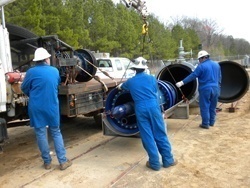
What Is the Pipeline Pigging Process?
The pipeline pigging process begins by inserting a pig into a launcher, which is designed to safely introduce the pig into a pressurized pipeline. The pig then travels through the pipeline until it reaches a receiver at the other end.
During pipeline pigging, the pig performs several key functions:
- Clearing pipelines of debris
- Breaking up clogs and deposits
- Performing pipeline cleaning
- Preparing pipelines for pipeline inspection tools
- Supporting product separation and recovery
By understanding what is pigging, operators can apply the process to improve both operational efficiency and system reliability.
How Is Pipeline Pigging Monitored and Tracked?
Monitoring is an essential part of pipeline pigging to ensure the pig travels safely through the pipeline. In some cases, pigs generate audible signals as they move, but more advanced tracking methods are often required.
A pig will often make a sound as it travels through a pipe and if it doesn’t, a TX Transmitter can be installed into the pig. The pig can then be tracked through the pipe above ground using an RX101 Receiver or a GeoAmp XT Geophone. Apache pigPro signalers are a reliable indicator that the pig has passed a certain point on the pipeline.
Modern pipeline pigging operations use transmitters installed inside the pig, allowing operators to track movement using receivers or geophones. These technologies ensure accurate monitoring and help prevent operational issues.
Additionally, pig passage indicators and advanced pipeline inspection tools can confirm the pig’s location and progress. Understanding what is pigging also includes recognizing the importance of tracking for safety and efficiency.
What Components Make Up a Pipeline Pigging System?
A complete pipeline pigging system includes several components working together to ensure effective operation. While configurations vary, most systems include:
Pigging Products
- Steel Mandrel Pigs
- Poly Foam Pigs
- Pipeline Spheres
- Urethane Pigs
- Custom Pig Configuration
- Speed Control Cleaning Pigs
Pig Parts And Accessories
Equipment And Detection
- Tracking Equipment
- Apache pigPRO Intrusive Passage Indicators
- Non-Intrusive Pig Signallers
- Dewatering Bags
- Dust Bags
- Pig Pole Combo
Product Recovery Systems
- VIPRS® Product Recovery Pigging System For Industrial Applications
- VIPRS® Product Recovery Pigging System For Sanitary Applications
Versatile Flow Optimization Solutions
Inline Services has pigs for virtually every fluid transfer application. Any business that handles liquids can benefit from pigging systems. Examples include:
- Food And Beverage
- Offshore
- Petroleum Distribution
- Process Manufacturing
- Refining And Chemical
- Wineries
The effectiveness of pipeline pigging depends heavily on selecting the right pig for the application. Factors such as pipeline diameter, product type, and operating conditions all influence performance.
When considering what is pigging, it’s important to understand that system design plays a critical role in achieving reliable results.
How Does Pipeline Pigging Support Pipeline Inspection Tools?
One of the most important roles of pipeline pigging is preparing pipelines for inspection. Before using advanced pipeline inspection tools, pipelines must be clean and free of debris to ensure accurate data collection.
Pipeline pigging removes contaminants that could interfere with inspection tools, such as smart pigs used for inline inspection (ILI). Without proper cleaning, inspection results may be compromised.
By integrating pipeline pigging with pipeline inspection tools, operators can improve data accuracy, enhance safety, and support integrity management programs. This connection is a key part of understanding what is pigging in modern pipeline operations.
Why Is Pipeline Pigging Important for Pipeline Integrity?
Pipeline pigging plays a critical role in maintaining pipeline integrity and operational efficiency. Over time, pipelines accumulate debris, corrosion byproducts, and other contaminants that can impact performance.
Regular pipeline pigging helps:
- Prevent corrosion and buildup
- Maintain flow efficiency
- Reduce operational costs
- Extend pipeline lifespan
Understanding what is pigging highlights its importance as a proactive maintenance strategy rather than a reactive solution.
Why Choose Professional Pipeline Pigging Solutions?
Effective pipeline pigging requires more than just equipment, it requires expertise. Selecting the right pig, designing the correct program, and executing the process safely are all critical factors.
Experienced providers, like Inline Services, offer comprehensive pipeline pigging solutions tailored to specific applications. From cleaning to preparation for pipeline inspection tools, professional support ensures optimal results.
A structured approach to pipeline pigging, including planning, execution, and monitoring, helps operators achieve reliable and efficient pipeline performance.
Understanding Pipeline Pigging and Its Value
Pipeline pigging is an essential process for maintaining clean, efficient, and reliable pipeline systems. By understanding what is pigging, operators can implement strategies that improve performance, reduce costs, and support long-term integrity.
From cleaning and debris removal to enabling advanced pipeline inspection tools, pipeline pigging remains a foundational practice across multiple industries. With the right tools and expertise, companies can ensure their pipelines operate safely and efficiently over time.
Have More Questions?
We can help! Inline’s team of experts has over 30 years of industry experience and has assisted hundreds of customers globally to identify the best pipeline pigging equipment and plan for their project. Contact us today Toll Free: 888.973.0079 Local: 281.401.8142.