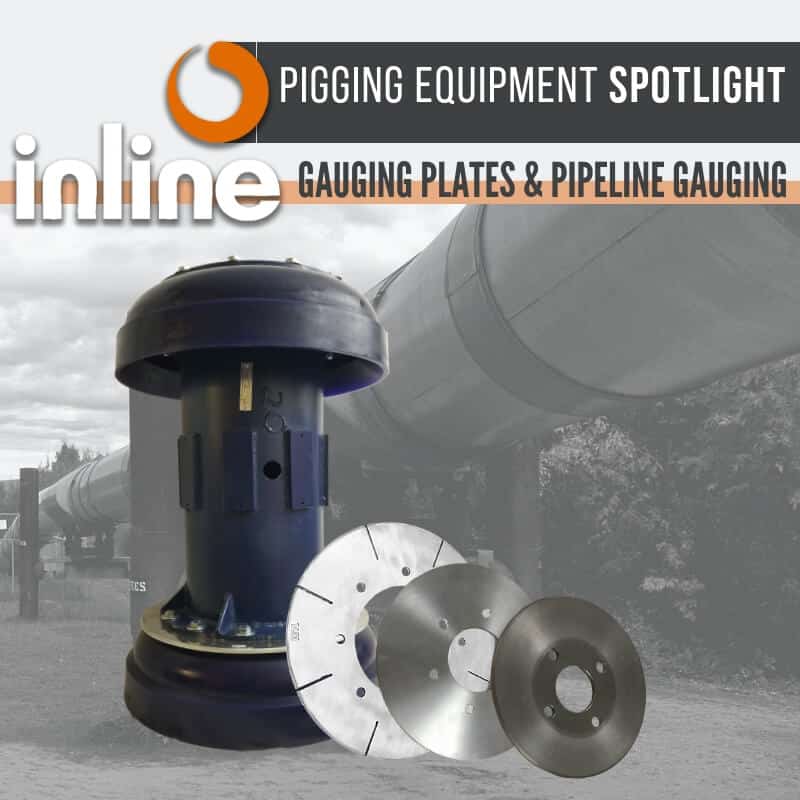
 Pipeline gauging is a critical process used to verify the internal diameter and identify restrictions inside a pipeline before operations or inspection. If you’re asking how does a gauging pig work, it involves running a pig equipped with a gauge plate through the pipeline to detect dents, debris, or other obstructions that could impact flow or damage inspection tools.
The pipeline gauging process ensures that pipelines meet minimum diameter requirements and are free from internal defects. By performing pipeline gauging, operators can confirm pipeline integrity, prevent costly failures, and prepare the system for inline inspection (ILI) tools. Understanding pipeline gauging is essential for maintaining safe and efficient pipeline operations.
What Is the Pipeline Gauging Process?
The pipeline gauging process is designed to identify internal restrictions that may affect pipeline performance. During pipeline gauging, a specially configured pig, known as a gauging pig, is run through the pipeline to assess its internal condition.
This pipeline gauging process detects:
- Dents and deformations
- Debris buildup
- Weld slag or construction residue
- Diameter restrictions
By using pipeline gauging, operators can ensure that the pipeline maintains its designed internal diameter. This is essential for achieving expected throughput and preventing operational inefficiencies.
How Does a Gauging Pig Work in Pipeline Gauging?
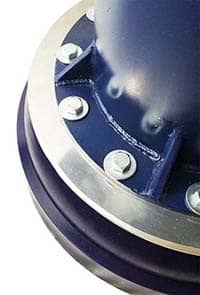
Understanding how does a gauging pig work is key to understanding pipeline gauging. A gauging pig is equipped with a precisely sized gauge plate that matches the minimum internal diameter of the pipeline.
As the pig travels through the pipeline during pipeline gauging, the gauge plate will encounter any restrictions. If the plate shows signs of wear or deformation after the run, it indicates that the pipeline contains internal obstructions.
This method makes the pipeline gauging process highly effective for identifying problem areas. By combining pig tracking data with plate inspection, operators can pinpoint the exact location of restrictions and take corrective action.
Why Is Pipeline Gauging Important for Pipeline Integrity?
Pipeline gauging plays a vital role in maintaining pipeline integrity. Pipelines are designed to operate at specific diameters, and any reduction in internal space can impact flow and increase operational risks.
The pipeline gauging process ensures that pipelines meet these design requirements before being placed into service or before running inspection tools. Without proper pipeline gauging, restrictions could damage inline inspection tools or lead to inaccurate data.
By performing pipeline gauging, operators reduce the risk of equipment damage, improve inspection accuracy, and maintain safe operating conditions.
What Types of Gauge Plates Are Used in Pipeline Gauging?
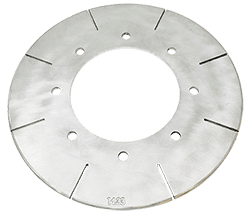
In modern pipeline gauging, gauge plates are typically made from aluminum rather than steel. This reduces the risk of damaging the pipeline while still providing accurate results.
During the pipeline gauging process, the gauge plate is sized according to the pipeline’s minimum internal diameter and attached to a pig body such as a steel mandrel or MULTI-CAST™.
Additional components used in pipeline gauging may include:
- Guide discs and seal discs
- Cups for improved sealing
- Transmitters and magnets for tracking
These components enhance the effectiveness of pipeline gauging and ensure accurate detection of internal restrictions.
How Does Pipeline Gauging Identify Pipeline Restrictions?
A key function of pipeline gauging is identifying internal restrictions that could impact performance. During the pipeline gauging process, any obstruction that reduces the internal diameter will leave visible marks on the gauge plate.
By analyzing these marks and understanding how does a gauging pig work, operators can determine:
- Severity of the restriction
- Type of obstruction
- Location within the pipeline
This allows for targeted corrective actions, such as cleaning, repair, or further inspection. Effective pipeline gauging ensures that pipelines are ready for safe and efficient operation.
Why Is Pipeline Gauging Critical Before Inspection?
Before running inline inspection tools, pipelines must be free of obstructions. This is where pipeline gauging becomes essential.
The pipeline gauging process verifies that the pipeline can safely accommodate inspection tools without risk of damage. Without proper pipeline gauging, restrictions could cause tools to become stuck or produce unreliable data.
Understanding how does a gauging pig work highlights its importance in preparing pipelines for inspection and ensuring accurate integrity assessments.
Who Supplies Gauge Plates for Pipeline Gauging?
Reliable pipeline gauging requires high-quality gauge plates manufactured to precise specifications. Inline Services produces aluminum gauge plates in a wide range of sizes and thicknesses to meet project requirements.
With fast turnaround times and expert support, Inline ensures that every pipeline gauging process is equipped with the right tools. Their expertise in pipeline gauging allows operators to confidently assess pipeline conditions and move forward with cleaning or inspection programs.
Why Pipeline Gauging Is Essential for Pipeline Performance
Pipeline gauging is a foundational step in pipeline maintenance and inspection. By identifying internal restrictions and verifying pipeline diameter, the pipeline gauging process helps ensure safe, efficient, and reliable operations.
Understanding how does a gauging pig work and applying effective pipeline gauging practices allows operators to prevent costly issues and maintain long-term pipeline integrity.
There are many considerations when selecting the most effective pig design for a pipeline gauging project. Our pigging experts can help you determine the best equipment to get the job done quickly and efficiently. Live chat, email or call us today at 888.973.0079!